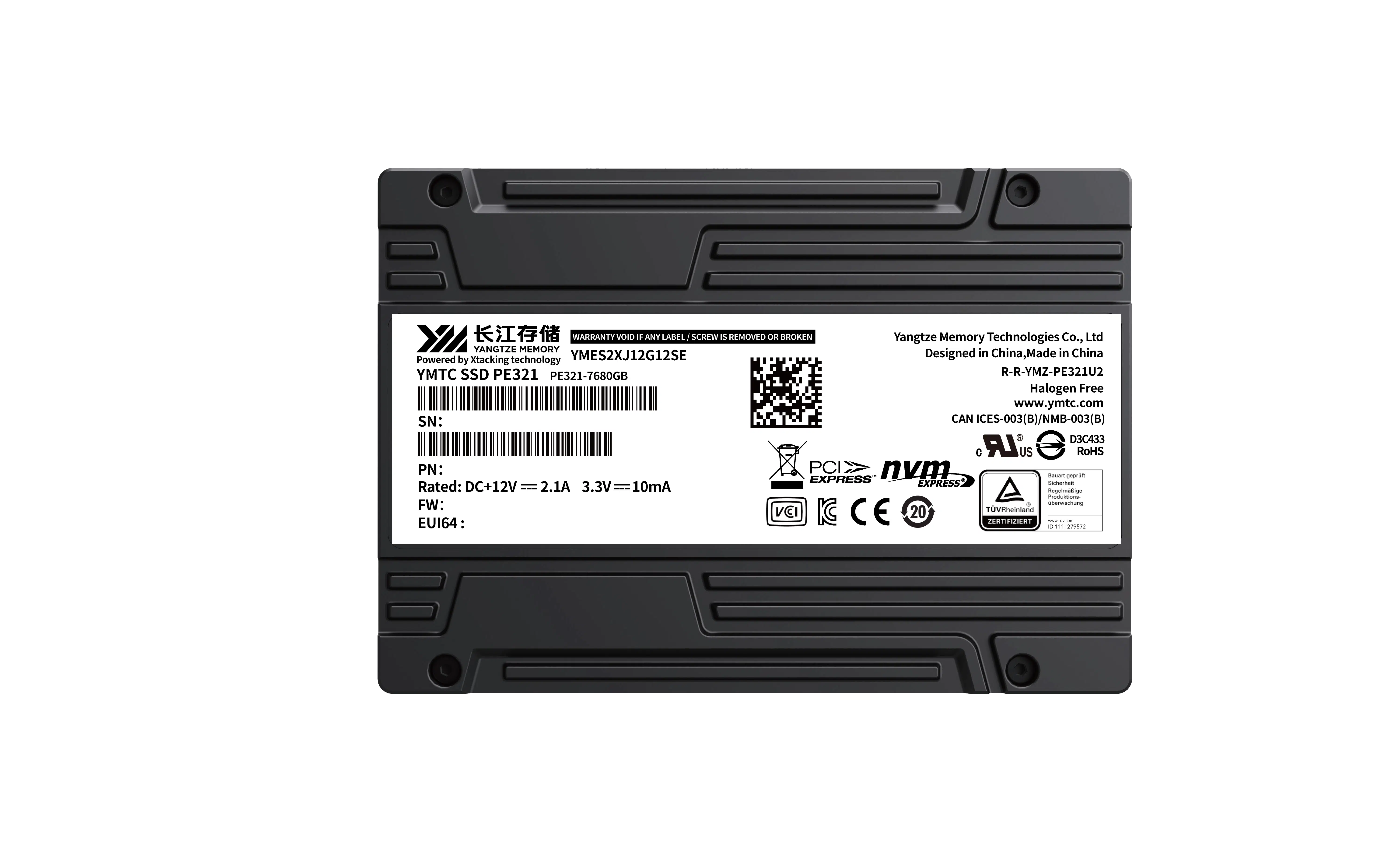
Selecting the appropriate storage is crucial for AI/ML training as it directly impacts data loading speed and system performance. Keepnooming supply YMTC SSD offers three models tailored to various requirements. The YMTC PE321 excels in handling demanding tasks such as training large AI models. The PE310 strikes a balance between performance and cost, making it ideal for medium-scale operations. Meanwhile, the SE005 provides an economical option, perfectly suited for older systems. These versatile choices highlight how YMTC SSDs cater to diverse technological demands.
Key Takeaways
-
Pick the YMTC PE321 for fast AI/ML training. Its PCIe Gen5 connection loads data quickly, cutting GPU and TPU wait times.
-
The YMTC PE310 is great for medium tasks. It mixes good speed with low cost, perfect for cloud use and databases.
-
For saving money, the YMTC SE005 is a good pick. It works with older systems and handles simple AI/ML jobs well.
-
Think about your tasks and budget before choosing a storage model. Each YMTC SSD fits different needs, so you can find the best one.
-
Testing storage speed is important for AI/ML work. It shows if the storage can handle big data and system needs.
Overview of YMTC Models
YMTC PE321: Top PCIe Gen5 for AI/ML Training
The YMTC PE321 is a powerful PCIe Gen5 SSD. It works well for big AI/ML tasks with large datasets. Its speed is twice as fast as PCIe Gen4. This makes it great for platforms like Intel Sapphire Rapids and NVIDIA Grace Hopper. It loads data quickly, keeping GPUs and TPUs busy.
The PE321 is durable, handling 3 full writes daily. This is useful for frequent data updates like AI logs. It fits supercomputing centers and labs needing huge data processing. Tasks like weather studies and gene research benefit from its performance.
YMTC’s Xstacking tech increases NAND density and cuts production time by 20%. This makes the PE321 a leader in the NAND market.
YMTC PE310: PCIe Gen4 for Balanced Use
The YMTC PE310 is a good mix of speed and cost. It works well for cloud computing, databases, and video tasks. Its NVMe-oF support helps with storage scaling for hybrid clouds.
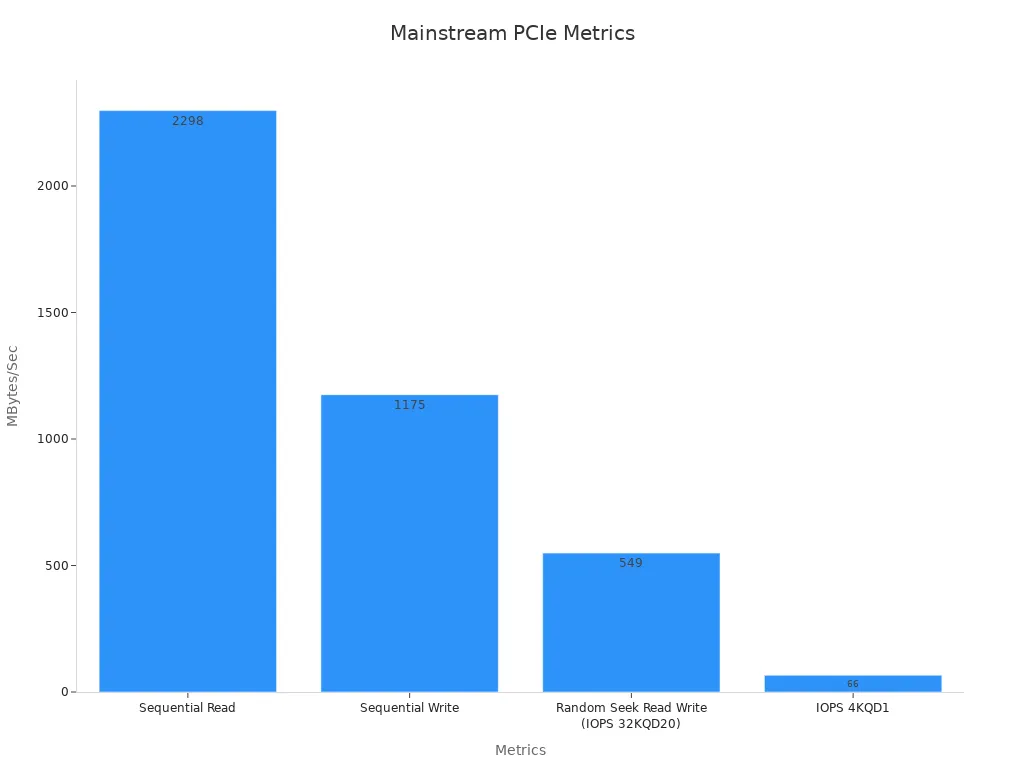
It reads at 2,298 MBps and writes at 1,175 MBps. It handles random reads and writes reliably. This makes it great for e-commerce and finance systems needing fast operations.
YMTC SE005: Affordable SATA for Budget AI/ML Tasks
The YMTC SE005 is a low-cost SATA SSD. It works with older servers, saving upgrade money for small businesses. It fits edge computing, cold data storage, and small servers.
Its power use is under 4W, good for heat-limited places. It’s affordable and works for AI/ML tasks needing less frequent data access. It can store IoT data or video logs.
|
Model |
Capacity Options |
Warranty |
Interface |
Sequential Read (MBps) |
Sequential Write (MBps) |
Random Read (IOPS) |
Random Write (IOPS) |
Endurance (TBW) |
|---|---|---|---|---|---|---|---|---|
|
SE005 |
256GB, 512GB, 1TB |
3 years |
SATA III |
520 |
510 |
80,000 |
70,000 |
170 – 680 |
Comparative Analysis in AI/ML Training and Reasoning

Performance in AI/ML Training
AI/ML training needs storage that handles big data well. The YMTC PE321 uses PCIe Gen5, which is twice as fast as Gen4. This helps load data quickly, keeping GPUs and TPUs busy. It can handle 3 full writes daily, making it great for frequent data updates like AI logs. The PE310, with PCIe Gen4, is a balanced choice. It works well for medium-sized AI/ML tasks, especially in cloud systems. The SE005 is cheaper and good for smaller tasks. Its SATA interface works with older systems, saving money for users on a budget.
Testing storage performance is key for AI/ML training. It checks how storage handles big data and system setups. These tests show if storage can manage heavy AI/ML tasks well. They also measure how efficient and scalable the storage is.
Performance in AI/ML Reasoning
AI/ML reasoning uses trained models to make predictions or insights. The YMTC PE321 is great here because it’s fast and has low delay. It gives real-time data access, perfect for things like self-driving cars or finance models. The PE310 is reliable for business tasks like online shopping or banking systems. The SE005 is slower but works fine for simpler tasks. It’s good for analyzing IoT data or storing video logs.
Compatibility with AI/ML Frameworks
AI/ML frameworks need storage that works smoothly with them. The YMTC PE321 and PE310, with NVMe, support modern tools like TensorFlow and PyTorch. They move and process data quickly, boosting performance. The SE005, with SATA, works with older systems and tools. It’s a smart pick for upgrading old setups or doing basic AI/ML tasks.
Use Case Recommendations for AI/ML Training
Best Model for Training
The YMTC PE321 is the top pick for AI/ML training. Its PCIe Gen5 interface allows fast data loading for big models. This reduces GPU and TPU waiting time, improving efficiency. The PE321 can handle 3 full writes daily, making it great for frequent updates. It’s perfect for tasks with large datasets and repeated processes.
Studies show the PE321 performs best with complex data and modern tools. The table below compares its performance in key areas like dataset handling and training:
|
Category |
ReAct-Sonnet |
OH-Sonnet |
OH-Gemini |
Aide-4o |
ReAct-4o |
|---|---|---|---|---|---|
|
Dataset Handling |
100% (3/3) |
100% (3/3) |
66% (2/3) |
33% (1/3) |
0% (0/3) |
|
API Integration |
100% (1/1) |
100% (1/1) |
0% (0/1) |
0% (0/1) |
100% (1/1) |
|
Model Training |
67% (4/6) |
83% (5/6) |
33% (2/6) |
33% (2/6) |
50% (3/6) |
The PE321’s strong performance makes it the best choice for high-speed and reliable training tasks.
Best Model for Reasoning
AI/ML reasoning needs storage that is fast and responsive. The YMTC PE321 is the best option because it provides real-time data access. It’s ideal for tasks like self-driving car simulations and financial modeling. Its low delay and high speed make it stand out.
For medium-sized reasoning tasks, the YMTC PE310 is a good choice. Its PCIe Gen4 interface offers steady performance for business uses like online shopping systems. It also works well with scalable storage setups, making it flexible for growing needs.
The YMTC SE005 is slower but affordable for simpler tasks. It’s useful for analyzing IoT data or doing basic predictions. Small businesses and edge computing setups can benefit from its cost-effectiveness.
Best Balanced Option for AI/ML Tasks
The YMTC PE310 is the best middle-ground option for AI/ML tasks. Its PCIe Gen4 interface gives good performance at a fair price. It’s great for companies needing both speed and affordability. The PE310 supports hybrid cloud setups, making it scalable for future growth.
For tight budgets, the YMTC SE005 is a cheaper option. Its SATA interface works with older systems, saving upgrade costs. While it’s slower than NVMe drives, it’s reliable for tasks like backups and archiving.
Tip: Think about your workload needs and budget before choosing the right storage model for AI/ML tasks.
The YMTC PE321, PE310, and SE005 are great for different tasks. The PE321 uses PCIe Gen5, making it super fast and strong. It’s perfect for big AI training and quick reasoning. The PE310 is a mix of good speed and fair price. It works well for medium tasks and cloud setups. The SE005, with its SATA interface, is cheap and good for simple jobs or old systems.
Studies show these models are strong in tech and pricing. This helps buyers pick the right one for their needs. For top speed, choose the PE321. For balanced use, the PE310 is reliable. For saving money, the SE005 is a smart choice.
Why is the YMTC PE321 great for AI/ML training?
The YMTC PE321 uses PCIe Gen5, which is twice as fast as Gen4. It loads data quickly for big AI models. Its durability (3 DWPD) handles frequent updates, making it ideal for heavy training tasks.
Can the YMTC SE005 work with AI/ML frameworks?
The YMTC SE005 fits older systems and simple AI/ML tasks. It’s slower than NVMe drives but works with basic frameworks. It’s a budget-friendly choice for upgrading older setups.
How does the YMTC PE310 balance cost and performance?
The YMTC PE310 uses PCIe Gen4 for steady speed at a fair price. It supports hybrid clouds and shared storage, making it good for medium AI/ML tasks and growing businesses.
Which model works best for edge computing in AI/ML?
The YMTC SE005 is great for edge computing. It uses less power (<4W) and has a SATA interface. This makes it perfect for places with heat limits and tight budgets.
Are YMTC SSDs ready for future platforms?
The YMTC PE321 and PE310 work with new systems like Intel Sapphire Rapids and NVIDIA Grace Hopper. Their NVMe interfaces support advanced AI tools and next-gen hardware.
Tip: Pick storage based on your workload and system needs for the best results.
See Also
Exploring Key Features of SPC5605BMLL6 and SPC5607BMLL6 ECUs
Integrating AEAT-8800-Q24 to Boost Robotics Performance Effectively
Comparing STM32F401VCT6 and STR750FV2T6 in Medical Technology
Essential Programming Techniques for MC9S12XD256 Microcontrollers
Unveiling Key Specifications of MC9S12XEQ512CAL Microcontroller