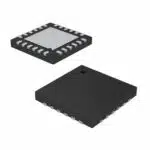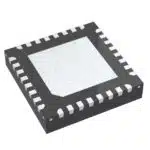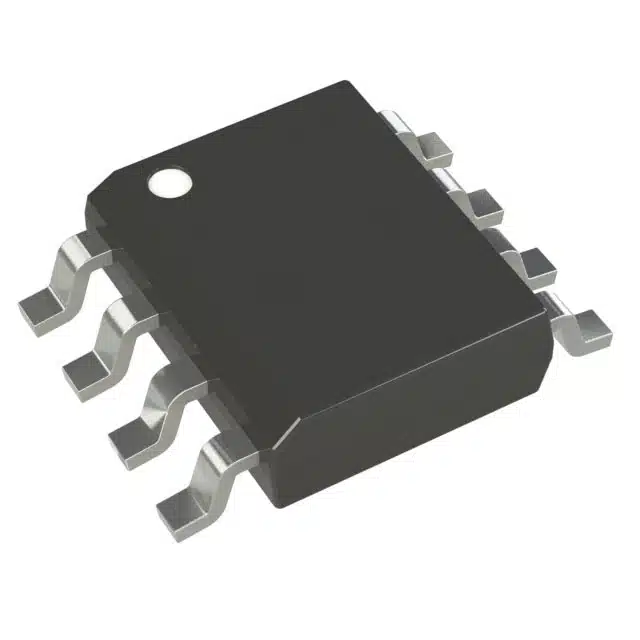
Efficient use of the 24VL024HT/SN EEPROM can significantly enhance the performance of electronic projects. This 2Kbit EEPROM, designed for I²C-based systems, offers reliable data storage and low power consumption, making it ideal for applications in consumer electronics, industrial automation, and automotive systems. Its high-speed data transfer capabilities and robust data retention ensure seamless operation in IoT devices, smart home systems, and medical equipment.
With a storage capacity organized into 256 x 8-bit blocks and an I²C communication speed of up to 400 kHz, the 24VL024H/SN provides fast access times and dependable write cycles. By understanding its features and applying best practices, users can optimize its functionality and extend its lifespan in various applications.
Key Takeaways
-
Learn about the 24VL024HT/SN’s features, like its 2Kbit memory and I²C connection, to use it better in projects.
-
Connect wires correctly and add pull-up resistors on I²C lines to keep communication steady and avoid mistakes.
-
Use wear leveling to spread out writing tasks, making the EEPROM last longer and keeping data safe.
-
Stay away from errors like wrong addressing or writing too much to improve how it works and lasts.
-
Use low-power settings and smart writing methods to save battery power in devices.
Overview of the 24VL024HT/SN EEPROM

Key Features
High storage capacity and low power consumption
The 24VL024HT/SN offers a memory size of 2Kbit, organized into 256 x 8-bit blocks. This configuration ensures efficient data storage and retrieval, making it suitable for applications requiring compact yet reliable memory solutions. Its low power consumption, with a maximum supply current of just 3 mA, makes it ideal for battery-powered devices and energy-efficient systems. Additionally, the EEPROM operates within a voltage range of 1.5V to 3.6V, ensuring compatibility with various low-power circuits.
|
Parameter |
Value |
|---|---|
|
Memory Size |
2 kbit |
|
Organization |
256 x 8 |
|
Supply Voltage – Min |
1.5 V |
|
Supply Voltage – Max |
3.6 V |
|
Maximum Clock Frequency |
400 kHz |
|
Access Time |
900 ns |
|
Data Retention |
200 Years |
|
Supply Current – Max |
3 mA |
I2C interface for seamless integration
The 24VL024HT/SN utilizes an I²C interface, which simplifies integration into microcontroller-based systems. With a clock frequency of up to 400 kHz, it supports high-speed communication, ensuring quick data transfers. The I²C protocol also allows multiple devices to share the same bus, reducing the complexity of wiring in multi-device setups. This feature makes the EEPROM a versatile choice for modern electronic designs.
Applications in Electronic Projects
Data logging and storage
The 24VL024HT/SN excels in data logging applications. Its robust data retention of up to 200 years ensures long-term reliability, even in critical systems. It is widely used in industrial automation, IoT devices, and medical equipment to store sensor readings, operational logs, and other essential data.
Configuration and calibration data retention
This EEPROM is ideal for retaining configuration and calibration data in electronic systems. Automotive control systems, consumer appliances, and aerospace applications benefit from its ability to store settings that must persist across power cycles. Its fast write cycle time of 5ms ensures quick updates to stored data, enhancing system responsiveness.
Tip: Use the 24VL024HT/SN in projects requiring frequent data updates to leverage its endurance and reliability.
Best Practices for Using the 24VL024HT/SN
Proper Wiring and Connections
Ensuring correct pin connections
Proper pin connections are essential for the reliable operation of the 24VL024HT/SN. Users should carefully follow the datasheet to identify the correct pin assignments. Miswiring can lead to communication errors or even damage the EEPROM. For example, connecting the power supply pin (Vcc) and ground (GND) incorrectly may result in circuit failure. Double-checking connections before powering the device ensures smooth operation.
Using pull-up resistors for I2C lines
The I²C interface of the 24VL024HT/SN requires pull-up resistors on the SDA (data) and SCL (clock) lines. These resistors maintain proper signal levels during communication. Without them, the bus may not function correctly, leading to data transmission errors. A typical value for these resistors ranges from 4.7 kΩ to 10 kΩ, depending on the system’s voltage and speed requirements.
Voltage and Power Considerations
Operating within the recommended voltage range
The 24VL024HT/SN operates optimally within a voltage range of 1.5V to 3.6V. Staying within this range ensures stable performance and prevents damage to the EEPROM.
-
Recommended Voltage Range:
-
Minimum: 1.5V
-
Maximum: 3.6V
-
Using a regulated power supply helps maintain consistent voltage levels, which is critical for long-term reliability.
Avoiding power fluctuations
Power fluctuations can disrupt the operation of the 24VL024HT/SN and lead to data corruption. To prevent this, users should implement decoupling capacitors near the power pins. These capacitors stabilize the voltage supply and filter out noise. A 0.1 µF ceramic capacitor is commonly used for this purpose.
Data Retention Strategies
Writing data efficiently to prevent wear
Efficient data writing minimizes wear on the EEPROM. Users can monitor the write endurance of each memory page by using a dedicated counter byte. This approach tracks the number of write cycles and helps distribute the workload evenly across memory cells. Writing only when necessary also reduces wear and extends the lifespan of the device.
Using the IC’s endurance rating effectively
The endurance rating of the 24VL024HT/SN impacts its data retention capabilities. By distributing write operations across multiple memory locations, users can prevent excessive stress on a single area. This technique, known as wear leveling, ensures consistent performance over time.
|
Data Retention |
200 Years |
|---|---|
|
Endurance Rating |
Not explicitly stated, but inferred to impact data retention capabilities |
Tip: Implement wear leveling in software to maximize the EEPROM’s lifespan and maintain data integrity.
Common Mistakes to Avoid
Incorrect Addressing
Understanding the device address format
The 24VL024HT/SN EEPROM uses a 7-bit addressing scheme for communication over the I²C bus. Each device on the bus must have a unique address to avoid conflicts. Users should consult the datasheet to determine the correct address format and configure it properly in their microcontroller code. Misinterpreting the address format can lead to communication errors or device malfunctions.
Avoiding conflicts on the I2C bus
Multiple devices sharing the same I²C bus can cause address conflicts if they are not assigned unique addresses. To prevent this, users should verify the addresses of all connected devices and ensure no duplication occurs. Proper planning of the I²C bus layout helps maintain smooth communication and avoids unnecessary troubleshooting.
Overloading the IC
Writing too frequently and exceeding endurance limits
The EEPROM has a finite write endurance, meaning it can only handle a specific number of write cycles per memory cell. Writing data too frequently to the same location can wear out the memory prematurely. Users should implement strategies like wear leveling to distribute write operations evenly across memory cells. This approach extends the lifespan of the EEPROM and ensures reliable performance.
Exceeding the maximum clock speed for I2C communication
The 24VL024HT/SN supports I²C communication at speeds up to 400 kHz. Exceeding this limit can result in data corruption or communication errors. Users should configure their microcontroller to operate within the recommended clock speed range to maintain stable and error-free communication.
Improper Timing
Ensuring sufficient write cycle time
The EEPROM requires a write cycle time of 5ms per word or page to ensure data integrity. Users should allow this time before initiating another write operation. Failure to do so can lead to incomplete writes or corrupted data.
-
Recommended write cycle time:
-
5ms per word
-
5ms per page
-
Avoiding data corruption during power loss
Power loss during a write operation can corrupt data stored in the EEPROM. To prevent this, users should implement measures like power-fail detection circuits or uninterruptible power supplies. These solutions ensure that write operations complete successfully before power is lost.
Tip: Always monitor power stability and timing requirements to safeguard data integrity and device reliability.
Advanced Tips for Optimization
Wear Leveling Techniques
Distributing writes across memory cells
Wear leveling is essential for extending the lifespan of the 24VL024HT/SN. By distributing write operations across different memory cells, users can prevent excessive wear on specific areas. This technique ensures that no single memory cell reaches its endurance limit prematurely. For example, instead of repeatedly writing to the same memory location, users can implement a strategy to rotate writes across multiple locations. This approach balances the workload and maintains consistent performance over time.
Implementing software-based wear leveling
Software-based wear leveling offers a practical solution for managing write operations. Developers can create algorithms that track the usage of memory cells and dynamically allocate writes to less-used areas. This method reduces the risk of overusing specific cells and enhances the EEPROM’s reliability. Implementing such algorithms requires careful planning but provides significant benefits in applications with frequent data updates.
Efficient Data Writing
Writing in blocks to reduce overhead
Writing data in blocks instead of individual bytes improves efficiency. The 24VL024HT/SN supports page-level writes, allowing users to write up to 16 bytes in a single operation. This approach minimizes communication overhead and reduces the total number of write cycles. For instance, grouping related data into a single block before writing can save time and preserve the EEPROM’s endurance.
Minimizing unnecessary write operations
Avoiding redundant writes is another way to optimize data storage. Users should compare new data with existing values before initiating a write operation. If the data remains unchanged, skipping the write prevents unnecessary wear on the memory cells. This simple yet effective strategy helps maintain the EEPROM’s longevity and ensures reliable performance.
Low-Power Applications
Leveraging the IC’s low-power modes
The 24VL024HT/SN includes low-power modes that reduce energy consumption during idle periods. Activating these modes can significantly extend battery life in portable devices. For example, placing the EEPROM in standby mode when not in use minimizes power draw without compromising data retention. This feature makes it ideal for energy-sensitive applications.
Optimizing power consumption in battery-powered projects
Optimizing power usage is critical for battery-powered systems. Users can achieve this by combining low-power modes with efficient data writing techniques. Reducing the frequency of write operations and using pull-up resistors with appropriate values further decreases power consumption. These practices ensure that the EEPROM operates efficiently while conserving energy.
Tip: Combining wear leveling, efficient data writing, and low-power techniques maximizes the performance and lifespan of the 24VL024HT/SN in demanding applications.
Understanding the features of the 24VL024HT/SN is essential for optimizing its use in electronic projects. Its 2Kbit memory, organized into 256 x 8-bit blocks, supports fast I²C communication at 400 kHz. With a write cycle time of 5ms and data retention of 200 years, it is ideal for applications like industrial automation, IoT devices, and medical equipment.
|
Feature |
Description |
|---|---|
|
Memory Size |
2Kbit |
|
Memory Organization |
256 x 8 |
|
Interface |
I²C, 400 kHz |
|
Write Cycle Time |
5ms |
|
Access Time |
900 ns |
|
Supply Voltage |
1.5V to 3.6V |
|
Operating Temperature |
-20°C to 85°C |
|
Data Retention |
200 Years |
By following best practices, avoiding common mistakes, and applying advanced techniques, users can enhance the performance and reliability of their projects. Implementing these tips ensures efficient data storage, extended device lifespan, and improved system functionality.
Tip: Apply wear leveling and low-power techniques to maximize the potential of the 24VL024HT/SN in demanding applications.
What is the maximum number of devices that can share the I²C bus with the 24VL024HT/SN?
The I²C protocol allows up to 127 devices on the same bus. Each device must have a unique 7-bit address to avoid conflicts. Users should verify addresses during setup to ensure proper communication.
How can users prevent data corruption during power loss?
Implementing power-fail detection circuits or using capacitors to stabilize power can prevent data corruption. These measures ensure write operations complete before power loss occurs, safeguarding stored data.
Can the 24VL024HT/SN operate in extreme temperatures?
The EEPROM operates within a temperature range of -20°C to 85°C. This range makes it suitable for most consumer and industrial applications. Users should avoid exposing the device to temperatures outside this range to maintain reliability.
What is the recommended value for pull-up resistors on the I²C lines?
Pull-up resistors typically range from 4.7 kΩ to 10 kΩ. The exact value depends on the system’s voltage and speed requirements. Proper resistor selection ensures stable communication on the I²C bus.
How does wear leveling improve the lifespan of the 24VL024HT/SN?
Wear leveling distributes write operations across memory cells, preventing excessive wear on specific locations. This technique extends the EEPROM’s lifespan and ensures consistent performance over time.
Tip: Use software-based wear leveling for better control and efficiency in managing write operations.
See Also
Explore LPQ252-CEF for Streamlined Power Control Solutions
Integrating AEAT-8800-Q24 to Boost Robotics Efficiency
Utilizing AD74413RBCPZ for Improved Process Management
Reasons to Select Coilcraft XPL2010 for VRM Applications
A Simple Guide to Integrate SN74LVC4245APW Sensors