The Z80C3008VSC stands out in old systems because it acts as a reliable bus interface IC, not a CPU. Engineers value its 44-pin PLCC package for easy integration. The chip operates within a 4.5V to 5.5V voltage range, which matches many legacy electronics. Its specialized bus interface function supports stable communication between system components. Although obsolete, this component remains important for those maintaining or repairing vintage equipment.
Key Takeaways
-
The Z80C3008VSC acts as a reliable bus interface chip that helps old systems communicate smoothly and avoid data errors.
-
Its 44-pin PLCC package with J-lead pins makes it easy to install and replace in tight spaces on circuit boards.
-
The chip works well with legacy electronics by operating within a 4.5V to 5.5V voltage range, matching many vintage power supplies.
-
Engineers trust the Z80C3008VSC for restoring and maintaining old equipment because it supports stable data transfer and fits existing system designs.
-
Although obsolete, this chip remains valuable for repairs, and sourcing it requires checking specialized suppliers or stock carefully.
Z80C3008VSC Features
Bus Interface Function
The Z80C3008VSC serves as a dedicated bus interface IC. It manages communication between different parts of a system, such as microprocessors, memory modules, and peripheral devices. This function ensures that data moves smoothly and accurately across the system bus. Engineers often choose this chip when they need reliable data transfer in legacy electronics.
Tip: A bus interface IC like the Z80C3008VSC can help prevent data errors in complex systems.
44-Pin PLCC Package
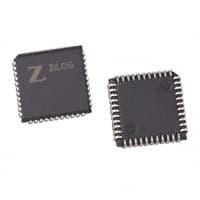
This chip comes in a 44-pin Plastic Leaded Chip Carrier (PLCC) package. The PLCC design uses J-lead pins, which make it easy to mount on circuit boards. Many older systems use this type of package because it saves space and offers strong connections.
-
Advantages of the 44-pin PLCC:
-
Compact size fits tight spaces.
-
J-leads provide secure mounting.
-
Easy to handle during repairs or replacements.
-
Voltage Range
The Z80C3008VSC operates within a voltage range of 4.5V to 5.5V. This range matches the power supplies found in many vintage and legacy systems. Stable voltage operation helps maintain consistent performance and reduces the risk of damage to other components.
|
Voltage Range |
System Compatibility |
|---|---|
|
4.5V–5.5V |
Legacy electronics |
Obsolete Status
The Z80C3008VSC is now considered obsolete. Zilog no longer produces this chip, so sourcing new units can be a challenge. However, many engineers and technicians still seek this part for repairs and maintenance of older equipment. They often rely on existing stock or specialized suppliers.
Note: Obsolete status increases the value of any remaining Z80C3008VSC chips for those working with legacy systems.
Compatibility
Legacy System Support
Many engineers choose the Z80C3008VSC for its strong support of legacy systems. This chip matches the technical standards found in older electronics. It operates with an 8-bit microprocessor core and supports clock speeds up to 8 MHz. The device includes a memory management unit (MMU) and a DMA controller, which help it work smoothly with older peripherals and memory modules. These features allow the chip to handle data transfer and memory protection tasks that are common in vintage equipment.
🛠️ Tip: The Z80C3008VSC fits well in embedded systems, industrial automation, and portable devices from previous decades.
A look at technical data shows why this chip remains a favorite for legacy support:
|
Aspect |
Details |
|---|---|
|
Microprocessor Type |
8-bit, up to 8 MHz |
|
Integrated Features |
MMU, DMA controller |
|
Peripheral Support |
Broad compatibility |
|
Application Areas |
Embedded, industrial, portable, telecom |
|
Customer Reviews |
Positive feedback on reliability and delivery |
These specifications confirm that the chip meets the needs of many legacy applications.
Pin and Power Matching
Pin and power compatibility play a key role in system repairs and upgrades. The Z80C3008VSC uses a 44-pin PLCC package with J-lead surface mount technology. This matches the packaging standards of many older Zilog components. The chip operates within a voltage range of 4.5V to 5.5V, which aligns with the power supplies found in most legacy systems.
|
Part Number |
Package Type |
Voltage Supply |
Interface |
Mounting Type |
|---|---|---|---|---|
|
Z80C3008VSC |
44-LCC (J-Lead) |
4.5V ~ 5.5V |
Bus |
Surface Mount |
|
Z80C3008PSC |
40-DIP (Through Hole) |
4.5V ~ 5.5V |
Bus |
Through Hole |
This table shows that the Z80C3008VSC shares key physical and electrical traits with other legacy Zilog chips. Engineers can replace or upgrade components without changing the board layout or power supply. This compatibility reduces the risk of errors and speeds up the repair process.
Advantages
Reliable Bus Communication
The Z80C3008VSC helps systems achieve stable and accurate data transfer. This chip manages the flow of information between microprocessors, memory, and peripherals. Engineers trust its design because it reduces the risk of data loss or corruption. The chip supports consistent timing, which is important for older systems that rely on precise communication.
🟢 Note: Reliable bus communication keeps legacy equipment running smoothly, even after many years of use.
Many technicians choose this chip when they need to restore or maintain vintage electronics. The chip’s bus interface function allows different parts of a system to work together without errors. This reliability makes it a preferred choice for repairs and upgrades.
Zilog Quality
Zilog, the manufacturer of the Z80C3008VSC, follows strict quality control and testing procedures. The company checks each chip to make sure it meets industry standards and safety regulations. These steps help ensure that every chip works as expected in demanding environments.
-
Zilog uses rigorous quality control and testing procedures.
-
The chip complies with industry standards and safety regulations.
-
Environmental classifications include Moisture Sensitivity Level 3 (168 hours).
These practices show Zilog’s commitment to quality. Although the chip does not have formal quality certifications, the company’s attention to detail gives engineers confidence in the product. Many users report positive experiences with Zilog components in legacy systems.
A focus on quality and reliability helps the Z80C3008VSC stand out in the world of legacy electronics.
Applications
System Restoration
Engineers often use the Z80C3008VSC when they restore vintage electronic systems. Many old computers and industrial machines rely on bus interface ICs to connect microprocessors with memory modules and peripheral devices. When these systems stop working, the bus interface can become a critical point of failure. By replacing or upgrading this chip, technicians can bring old equipment back to life.
A typical restoration project might involve a computer from the 1980s. The technician checks the system and finds that the data bus does not communicate correctly. After testing, they discover the bus interface IC has failed. Installing a new Z80C3008VSC restores the connection between the CPU and memory, allowing the system to function as it did decades ago.
🛠️ Tip: Always check the compatibility of the replacement chip with the original board layout and voltage requirements.
Maintenance Use
Technicians also rely on this chip for ongoing maintenance of legacy systems. Many factories and laboratories still use equipment built with older Zilog components. These machines often perform important tasks, so keeping them operational is essential. The Z80C3008VSC helps maintain stable communication between different parts of the system, such as microprocessors, memory, and input/output devices.
Common maintenance tasks include replacing worn-out chips, troubleshooting data errors, and upgrading system boards. The chip’s 44-pin PLCC package makes it easy to handle during repairs. Engineers appreciate its reliable performance and straightforward integration with existing hardware.
-
Typical use cases:
-
Communication between microprocessors and peripherals
-
Data transfer between memory modules
-
System board repairs in industrial and scientific equipment
-
These applications show why engineers and technicians value the Z80C3008VSC for both restoration and maintenance of legacy electronics.
The Z80C3008VSC stands out as a practical solution for legacy system repairs. Its technical strengths include:
-
High-performance 8-bit microprocessor design with integrated MMU and DMA controller
-
Low power use, broad peripheral support, and proven reliability
-
Positive customer feedback on part condition and supplier support
|
Aspect |
Details |
|---|---|
|
Sourcing |
Fast delivery, original unused parts |
|
Performance |
Up to 8 MHz, easy integration |
|
Application Areas |
Embedded, industrial, portable devices |
Engineers can trust this chip for restoration projects, though sourcing may require extra effort due to its obsolete status.
What is the main function of the Z80C3008VSC?
The Z80C3008VSC acts as a bus interface IC. It manages data flow between microprocessors, memory modules, and peripherals. This chip helps keep communication stable in legacy electronic systems.
Can engineers still find the Z80C3008VSC for repairs?
Yes, engineers can still find this chip through specialized suppliers or surplus stock. Sourcing may require extra effort because Zilog no longer produces it.
Tip: Always check the authenticity and condition of the chip before purchase.
Which systems use the Z80C3008VSC?
Many vintage computers, industrial machines, and embedded systems use this chip. It fits well in equipment that relies on Zilog’s Z80 product family.
How does the 44-pin PLCC package help with repairs?
The 44-pin PLCC package uses J-lead pins. This design makes the chip easy to mount and replace on circuit boards. Technicians can handle repairs quickly and safely.
What voltage does the Z80C3008VSC require?
The chip operates within a voltage range of 4.5V to 5.5V. This range matches the power supplies found in most legacy electronic systems.
See Also
Three Best Methods To Integrate MC9S12XET512VAG
Key Programming Fundamentals For MC9S12XD256 Microcontrollers
Explore The Main Specifications Of MC9S12XEQ512CAL
Unveiling FREESCALE MCF5251CVM140’s Important Automotive Features
Three Leading Features Of SPC5605BMLL6 And SPC5607BMLL6 ECUs