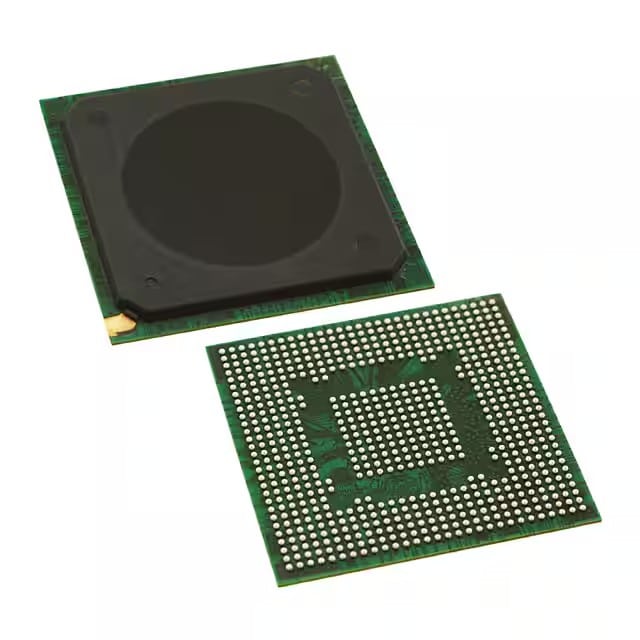
The P1020NXN2HFB NXP Microprocessor IC is essential for simplifying tasks in telecommunications, networking, and wireless infrastructure. It significantly enhances performance while reducing complexity within telecom infrastructure. This microprocessor IC is specifically designed for networking, wireless infrastructure, and telecommunications, ensuring high efficiency and reliability. Its robust design makes it suitable for high-performance communications processing, allowing it to handle demanding tasks effortlessly. The P1020NXN2HFB Microprocessor IC offers a comprehensive solution for modern telecom needs.
Overview of P1020NXN2HFB Microprocessors
The P1020NXN2HFB NXP Microprocessor IC stands out in the realm of telecommunications, networking, and wireless infrastructure. Its design caters specifically to these sectors, ensuring optimal performance and reliability.
Key Features
Dual-core Architecture and Processing Power
The P1020NXN2HFB boasts a dual-core architecture based on the PowerPC e500v2 core. This setup provides significant processing power, allowing it to handle complex tasks efficiently. Each core operates at a frequency of 800 MHz, ensuring rapid data processing. This capability makes it ideal for applications that demand high-speed operations, such as routers and switches in telecom networks.
Energy Efficiency and Low Latency
Energy efficiency remains a critical factor in modern microprocessors. The P1020NXN2HFB excels in this area, consuming minimal power while delivering maximum output. Its design reduces latency, ensuring swift data transmission and processing. This feature proves invaluable in wireless infrastructure, where quick response times are essential.
Specifications
32-bit Architecture and Integrated Cache
The P1020NXN2HFB Microprocessor IC features a 32-bit architecture, which enhances its ability to manage complex networking protocols. An integrated cache further boosts its performance by storing frequently accessed data, reducing the time needed for data retrieval. This combination ensures seamless operations in telecommunications systems.
Compatibility with Telecom Systems
Compatibility with existing telecom systems is a hallmark of the P1020NXN2HFB. Its design aligns with various software development environments, facilitating easy integration. This adaptability allows telecom companies to upgrade their infrastructure without overhauling existing systems. The microprocessor’s compatibility ensures that it can support a wide range of applications, from wireless access points to advanced network management tools.
Role in Telecommunications Infrastructure

The P1020NXN2HFB NXP Microprocessor IC plays a pivotal role in telecommunications infrastructure. Its design caters specifically to the demands of networking, wireless infrastructure, and telecommunications, ensuring efficient data handling and robust network management.
Data Processing
Handling Large Volumes of Data
Telecommunications systems often deal with massive amounts of data. The P1020NXN2HFB excels in this area by efficiently processing large data volumes. Its dual-core architecture, based on the PowerPC e500v2 core, provides the necessary power to manage these tasks seamlessly. This capability ensures that telecom networks can handle increased data loads without compromising performance.
Real-time Data Analysis
Real-time data analysis is crucial for maintaining the efficiency of telecom operations. The P1020NXN2HFB Microprocessor IC supports this need by offering low latency and high-speed processing. It enables telecom systems to analyze data as it flows through the network, allowing for immediate decision-making and response. This feature proves invaluable in applications such as network monitoring and traffic management.
Network Management
Streamlining Network Operations
Efficient network management is essential for the smooth operation of telecommunications systems. The P1020NXN2HFB aids in streamlining these operations by integrating seamlessly with existing network management tools. Its compatibility with various software development environments allows telecom companies to enhance their network operations without extensive system overhauls. This adaptability ensures that networks remain efficient and responsive to changing demands.
Enhancing Network Security
Network security is a top priority in telecommunications. The P1020NXN2HFB Microprocessor IC contributes to enhancing security measures by providing robust processing capabilities. It supports advanced encryption and security protocols, safeguarding data as it travels across the network. This feature helps protect sensitive information and maintain the integrity of telecom systems.
Signal Processing
Improving Signal Quality
Signal quality directly impacts the performance of telecommunications systems. The P1020NXN2HFB improves signal quality by offering precise signal processing capabilities. Its architecture allows for accurate modulation and demodulation of signals, ensuring clear and reliable communication. This improvement is particularly beneficial in wireless infrastructure, where signal clarity is paramount.
Reducing Latency
Latency reduction is critical for real-time communication applications. The P1020NXN2HFB addresses this need by minimizing delays in data transmission and processing. Its efficient design ensures that signals are processed quickly, reducing the time it takes for data to travel from one point to another. This reduction in latency enhances the overall user experience in telecommunications services.
Benefits of Using P1020NXN2HFB Microprocessors

The P1020NXN2HFB NXP Microprocessor IC offers numerous advantages for networking, wireless infrastructure, and telecommunications. These benefits enhance the overall performance and efficiency of telecom systems.
Performance Improvements
Increased Processing Efficiency
The P1020NXN2HFB Microprocessor IC significantly boosts processing efficiency. Its dual-core architecture allows it to handle multiple tasks simultaneously. This capability ensures that telecom systems operate smoothly, even under heavy data loads. The microprocessor’s design optimizes data flow, reducing bottlenecks and improving throughput.
Enhanced System Reliability
Reliability is crucial in telecommunications. The P1020NXN2HFB Microprocessor IC enhances system reliability by providing consistent performance. Its robust design minimizes the risk of system failures. This reliability ensures uninterrupted service delivery, which is vital for maintaining customer satisfaction in telecom operations.
Cost-effectiveness
Lower Operational Costs
The P1020NXN2HFB Microprocessor IC contributes to lower operational costs. Its energy-efficient design reduces power consumption, leading to significant savings on energy bills. Additionally, its ability to streamline network operations minimizes the need for additional resources, further cutting down expenses.
Reduced Maintenance Expenses
Maintenance costs can be a significant burden for telecom companies. The P1020NXN2HFB Microprocessor IC helps reduce these expenses. Its durable construction requires less frequent repairs and replacements. This durability translates into fewer maintenance interventions, saving both time and money.
Scalability
Easy Integration with Existing Systems
Scalability is a key feature of the P1020NXN2HFB Microprocessor IC. It integrates easily with existing telecom systems. This compatibility allows telecom companies to upgrade their infrastructure without extensive modifications. The microprocessor’s adaptability ensures a smooth transition, minimizing disruptions during integration.
Support for Future Expansion
The P1020NXN2HFB Microprocessor IC supports future expansion. Its design accommodates growing data demands and evolving telecom technologies. This forward-thinking approach ensures that telecom systems remain relevant and capable of handling future challenges. The microprocessor’s scalability provides a solid foundation for long-term growth in networking, wireless infrastructure, and telecommunications.
Case Studies
Implementation in Telecom Projects
Example 1: Wireless Access Point Optimization
The P1020NXN2HFB NXP Microprocessor IC has proven its worth in optimizing wireless access points. Telecom companies have integrated this microprocessor IC into their systems, resulting in enhanced performance and efficiency. The dual-core architecture of the P1020NXN2HFB allows for faster data processing, which is crucial for networking, wireless infrastructure, and telecommunications. By reducing latency, the microprocessor IC ensures that data packets are transmitted swiftly, improving the overall user experience. This optimization leads to more reliable connections and better service delivery.
Example 2: Router Performance Enhancement
In another case, the P1020NXN2HFB NXP Microprocessor IC has been instrumental in enhancing router performance. Telecom operators have utilized this microprocessor IC to boost the processing power of their routers. The 32-bit architecture and integrated cache of the P1020NXN2HFB enable routers to handle large volumes of data efficiently. This capability is vital for networking, wireless infrastructure, and telecommunications, where high-speed data transfer is essential. As a result, routers equipped with this microprocessor IC can manage increased data loads without compromising performance, leading to improved network reliability.
Impact on Telecom Operations
Improved Service Delivery
The implementation of the P1020NXN2HFB NXP Microprocessor IC in telecom projects has significantly improved service delivery. By optimizing wireless access points and enhancing router performance, telecom companies can provide faster and more reliable services to their customers. The microprocessor IC’s ability to handle large data volumes and reduce latency ensures that telecom networks operate smoothly, even during peak usage times. This improvement in service delivery translates to better customer experiences and increased satisfaction.
Customer Satisfaction
Customer satisfaction has seen a notable increase due to the integration of the P1020NXN2HFB NXP Microprocessor IC in telecom systems. The enhanced performance and reliability of networking, wireless infrastructure, and telecommunications services have led to fewer disruptions and more consistent connectivity. Customers appreciate the swift and dependable service, which fosters loyalty and trust in telecom providers. By investing in advanced microprocessor IC technology, telecom companies can maintain high levels of customer satisfaction and remain competitive in the industry.
The P1020NXN2HFB microprocessors offer significant efficiency and benefits in telecommunications. They enhance performance, reduce complexity, and ensure reliability in telecom infrastructure. Their dual-core architecture and energy efficiency make them ideal for high-performance communications processing.
“NXP remains dedicated to staying at the forefront of innovation and driving the future of electronic connectivity.”
Telecom companies should explore and adopt these microprocessors to improve their systems. The potential for future advancements and applications is vast, promising even greater capabilities in electronic connectivity. With competitive pricing and global availability, the P1020NXN2HFB microprocessors present a cost-effective solution for modern telecom needs.
See Also
Enhancing Vehicle Efficiency Using NXP Microcontroller Technology
Simple Networking Tips for XILINX XC7K325T-2FFG676C
Key Programming Skills for MC9S12XD256 Microcontrollers
Three Effective Methods to Integrate MC9S12XET512VAG
User-Friendly Engine Control Solutions with SPC56 Microcontrollers