China holding APEC 2026 in Shenzhen is a very important time for countries in the region to work together on money matters. This is the third time China has led APEC, which shows it really wants to help Asia-Pacific countries work together. Hosting APEC 2026 allows the host nation to shape key regional discussions, particularly around AI cooperation in the Asia-Pacific, amidst the ongoing background of U.S.-China Tech Competition. The main idea, “Building an Asia-Pacific Community to Prosper Together,” is what this APEC is all about. How will China’s leadership change what the Asia-Pacific region focuses on for its economy? Shenzhen shows what China hopes for: being open and helping everyone become rich together.
Key Takeaways
-
China is in charge of APEC 2026 to help make trade in the area fair and easy to do.
-
China wants to help countries use safe AI tools and digital skills to make their economies better.
-
Shenzhen shows off its earth-friendly technology and new city growth to everyone.
China’s APEC 2026 Goals and Main Idea
Making Things Open, Connected, and Working Together
China’s plan for APEC 2026 in Shenzhen is all about “Building an Asia-Pacific Community to Prosper Together.” This main idea focuses on three key things: being open, being new and creative, and working together. China wants to make money matters stronger in the region by pushing these ideas. The country is working hard to make the Asia-Pacific more open and connected. It supports big free trade deals to reach this goal.
The Regional Comprehensive Economic Partnership (RCEP) is the biggest free trade area in the world. It includes 30% of all the money made globally. RCEP makes it easier to trade, speeds up customs checks, and opens up markets for 15 countries in Asia-Pacific. This agreement sets common rules, which helps countries work more closely. Also, China keeps making its current agreements better. The China-ASEAN Free Trade Area Version 3.0 Upgrade, signed on October 28, 2025, adds many improvements. These changes cover online business, green energy, and how supply chains connect. They also help countries agree on standards, make trade easier, and support small and medium-sized businesses (SMEs). All these efforts aim to bring economies closer and update trade rules. The China-Singapore Free Trade Agreement Upgrade, which started on December 31, 2024, uses a new system for services and investments. This gives more access to markets. It also has new parts about phones and online business, like online payments, sharing data, and smart cities. The agreement makes sure everyone is treated fairly and rules are clear. These actions show China wants strong trade ties and better connections in the region.
Boosting New Ideas and Online Business
New ideas and online business are another big part of China’s APEC 2026 plan. The APEC Digital and AI Ministerial Meeting in Chengdu showed this focus. Important areas included good internet for everyone, using digital tools and AI for money growth, teaching digital skills to all, a safe online world, and investing in open digital systems. These talks, which will finish during APEC Economic Leaders’ Week and the Economic Leaders’ Meeting, show how important digital changes are for the Asia-Pacific region.
China has made big steps in rules and use of artificial intelligence (AI). In March 2025, China released the final rules for labeling AI-made content, starting September 2025. These rules say AI-made content must be clearly marked and platforms must have ways to find it. Three national rules for AI safety were released in April 2025, starting November 1, 2025. These rules deal with data safety, training data safety, and basic safety for AI services. The AI Safety Governance Framework, released in September 2024, matches the Global AI Governance Initiative. It gives rules for making AI in a good and safe way. China’s New Generation Artificial Intelligence Development Plan (2017) set long-term goals, and a draft AI law was suggested in May 2024.
In an April 2025 meeting, Xi Jinping said China’s AI industry should be “strongly focused on practical uses.” Beijing wants to use AI in many areas, like public services, government work, factories, farming, schools, hospitals, and robots. National plans and local government AI action plans help with this. Article 20 of the Cybersecurity Law (2025 Update) supports basic research, making key AI tools, and building data and computer systems. It also makes ethics better, checks for risks, and sets safety rules, helping AI grow well. In 2025, the Cyberspace Administration of China (CAC) stopped AI impersonation for online selling and checked apps for not labeling AI-made content. The State Administration for Market Regulation fined a company for using AI to make fake pictures. These actions show China’s full plan to encourage new ideas while making sure digital growth is done responsibly.
Shenzhen’s Role in Showcasing China’s Vision

Economic Modernization and Growth
Shenzhen shows how China has made its economy modern and wants the Asia-Pacific to grow and be steady. This busy city is a center for new ideas. It will show China’s plan for money growth in the region during APEC 2026. Shenzhen used to be a fishing village. Now it is a tech leader. This shows China can make big economic changes. The city’s lively environment helps new ideas grow. It brings in smart people and money. Reports say Shenzhen is a great place for new businesses. It has 47 “unicorns” (companies worth over a billion dollars) and 1,551 funded startups. This amazing business scene shows how the city helps create new industries and technologies.
China wants to be a partner that brings stability. It supports a strong regional economy. Shenzhen’s success proves that open rules and smart investments lead to steady money growth. The city has good buildings and makes many advanced products. This makes it a perfect place for APEC. Visitors can see how China’s growth plan works. This plan focuses on working together and helping each other. It aims to make money ties stronger across the Asia-Pacific. The city is also close to other big money centers like Guangzhou. This makes it even more important for the region’s growth.
Advancing Green and Sustainable Development
Shenzhen also supports green and lasting development. This fits with China’s bigger goals for the environment. The city uses rules that help with eco-friendly city planning and green tech. Shenzhen cares about being sustainable. You can see this in its many green buildings. By June 2025, over 12.6 million square meters of buildings in Shenzhen had a special green certification (LEED). This big success shows the city wants to mix caring for the environment with city growth.
Shenzhen’s work in lasting development can be a guide for other economies in the Asia-Pacific. China uses Shenzhen to show how fast money growth can happen without harming the environment. The city puts a lot of money into clean energy, public transport, and smart city ideas. All these things help lower carbon pollution. These efforts show China’s plan for a future where making money does not hurt the planet. Hosting APEC 2026 in Shenzhen lets China show these improvements. It encourages other APEC members to use similar lasting practices for long-term regional stability and success.
Navigating Regional Challenges and Integration
Strengthening Multilateralism in APEC
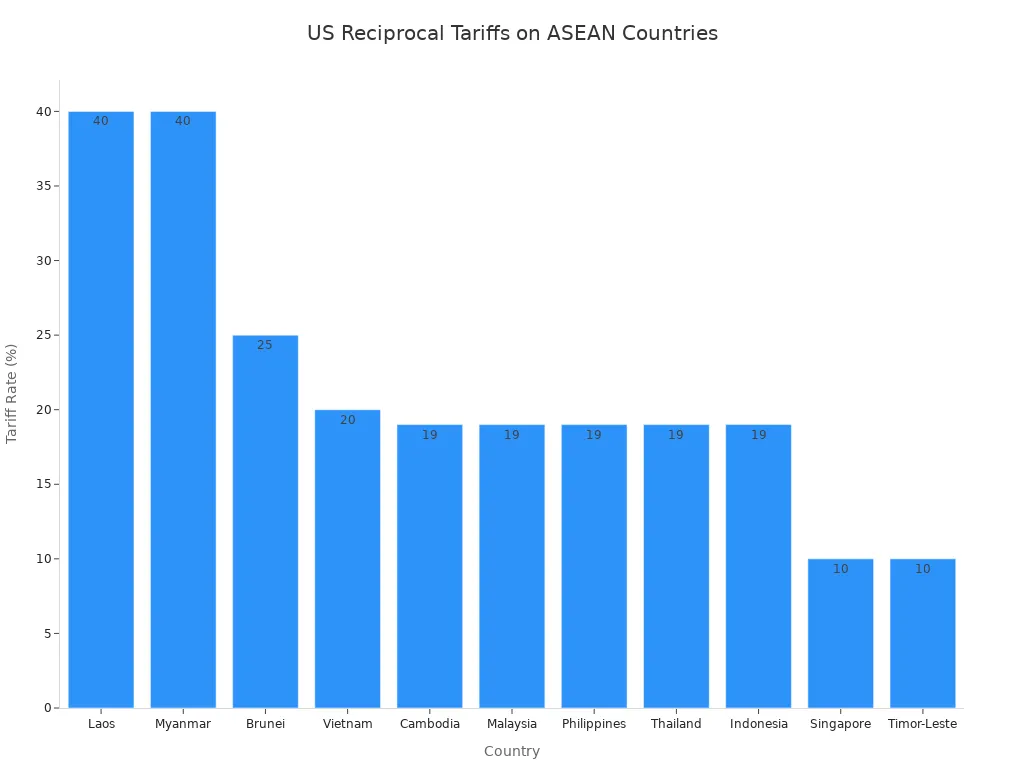
APEC wants to make working together stronger. It gives countries a place to talk and work together on money matters. This teamwork is extra important when there are problems like trade fights. For example, the US puts special taxes on goods from ASEAN countries. These taxes change, with Cambodia, Malaysia, Philippines, Thailand, and Indonesia paying 19%. Vietnam pays 20%, while Laos and Myanmar pay 40%. Brunei pays 25%, and Singapore and Timor-Leste pay 10%.
The trade war between the US and China also caused big problems. Both sides put high taxes on each other’s goods, sometimes over 100%. These taxes stop free trade and make it harder for countries to work together. APEC is a place to talk about these issues and push for open trade rules. New trade deals, like those between the US and Cambodia or US and Malaysia, also have rules that limit other trade agreements. These “poison pill” rules hurt the bigger free trade area. APEC’s job is to help countries talk and find common ground. This helps everyone in the Asia-Pacific. It makes cooperation in the region stronger.
Promoting Inclusive and Resilient Supply Chains
APEC also works to build supply chains that include everyone and can handle problems. Recent world events showed we need strong ways to move goods. Problems can really hurt economies. Helping free trade and lowering barriers makes supply chains more steady. For example, extra taxes are added when goods are sent through other countries to avoid US taxes. These taxes add 40% to the cost. These taxes are aimed at China through Southeast Asia.
Indonesia and Vietnam also stopped some Chinese online stores. They wanted to limit cheap goods from China. These actions break up supply chains. APEC tries to stop these trends. It supports rules that help goods and services move easily. This includes making customs rules the same and using computers for trade. The goal is to keep supply chains open and able to change. This helps all countries in the Asia-Pacific. It also supports more teamwork in business and free trade.
APEC 2026 in Shenzhen highlights China’s commitment to openness, innovation, and regional cooperation. China’s leaders aim to align trade policies, fostering multilateralism and shared prosperity across the Asia-Pacific. This APEC summit will shape economic integration, technological advancement, and economic growth. It offers opportunities and challenges for the Asia-Pacific’s future.
FAQ
How will APEC 2026 help countries in Asia-Pacific work together on AI?
APEC 2026 will continue talks from the Digital and AI Meeting. It wants to create shared rules and help countries develop AI in a good way.
What does the money fight between the U.S. and China mean for Asia-Pacific at APEC 2026?
APEC 2026 gives a place to talk during this competition. China wants to encourage teamwork and open trade. It hopes for a steady economy and shared growth for the region.
Will APEC 2026 cause supply chains to break apart or connect again?
APEC 2026 will push for strong and fair supply chains. It wants to lower trade walls and help countries connect more. This will bring the region’s economies closer.
See Also
Exploring Innovation Quality And Future Trends In Electronic Components
How AD9736BBCZ Is Transforming The Future Of Wireless Communication
Understanding SPC5605BMLL6 And SPC5607BMLL6 ECUs In Next Generation Automobiles
Integrating AEAT-8800-Q24 To Boost Overall Robotics System Performance
Implementing MC9S12DJ256MFUE As A Core Automotive Electronics Solution