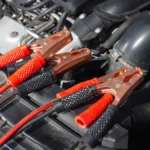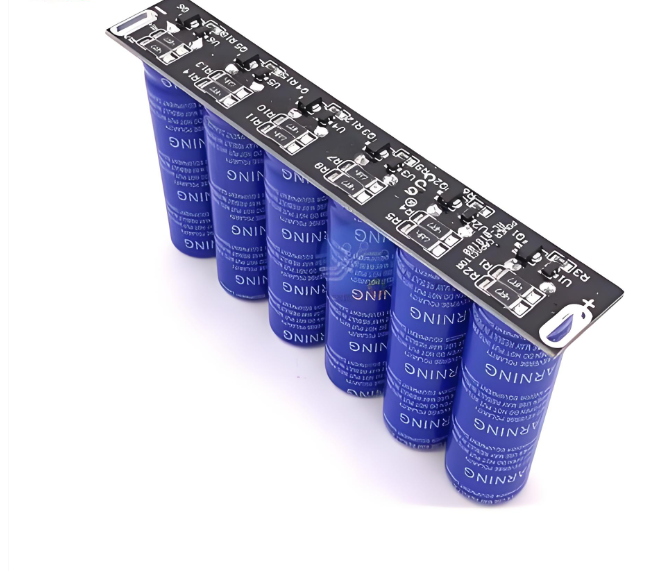
Both batteries and capacitors store energy, but their fundamental methods are distinct. A battery stores energy chemically, while a capacitor stores it electrostatically. These different mechanisms create major differences in their performance and power delivery. Understanding the difference between a capacitor and a battery is crucial for effective electronic design. This comparison explores how a battery capacitor unit serves specific energy storage needs. Each battery and capacitor offers unique advantages for various storage applications.
Key Takeaways
-
Batteries store energy using chemicals, giving steady power over time. Capacitors store energy using electric fields, giving quick power bursts.
-
Batteries hold a lot of energy for their size, making them good for long-lasting power. Capacitors hold less energy but can release it very fast.
-
Batteries take time to charge and discharge. Capacitors charge and discharge almost instantly.
-
Capacitors usually last longer than batteries because they do not use chemical reactions that wear out over time.
-
Capacitors are generally safer and better for the environment than batteries, as they do not contain toxic materials.
Energy Storage: Chemical vs. Electrostatic
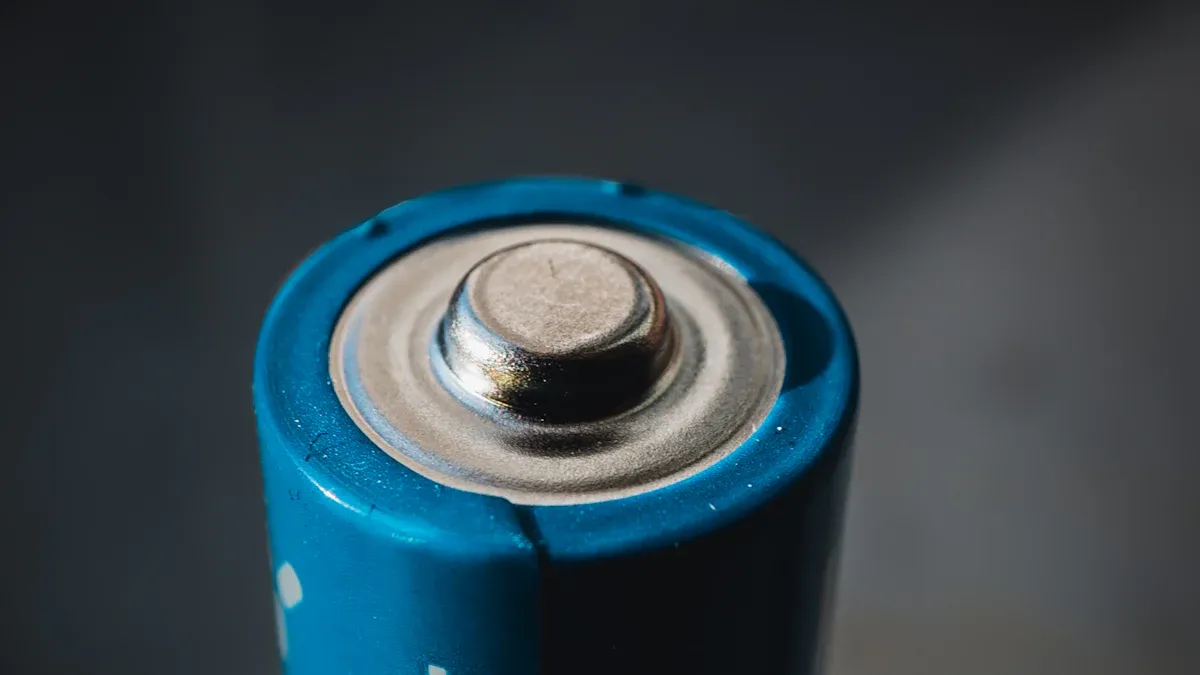
The fundamental difference between a battery and a capacitor lies in their energy storage methods. A battery capacitor unit uses distinct principles. Batteries rely on chemical reactions to hold energy. Capacitors, however, store energy using electrostatic fields. This core distinction shapes their performance and how each device delivers its stored energy.
Batteries: Chemical Energy Storage
A battery stores energy through chemical processes. This chemical energy storage is a complex system. For example, lead-acid batteries convert lead and lead oxide into lead sulfate and water during discharge. This chemical reaction reverses when the battery charges. Lithium-ion batteries operate differently. They move lithium ions between an anode and a cathode during charging and discharging cycles. Lithium-ion battery technology uses lithium salts, like LiClO4, dissolved in organic solvents as electrolytes. These electrolytes facilitate the necessary chemical reactions. The battery has internal parts: cathodes, which are positive poles, store lithium ions and release electrons. Anodes, the negative poles, receive electrons and are usually carbon-based. A separator material allows only lithium ions to flow between the anode and cathode. During charging, lithium ions travel from cathodes to anodes through the solvent. This process reverses during discharge, releasing the stored energy. Each battery relies on these chemical transformations for its operation and energy release. This method of storage provides a steady supply of power.
Capacitors: Electrostatic Storage
A capacitor stores energy electrostatically. This means it holds an electric charge on its plates. A capacitor typically has two conductive plates. A dielectric material separates these plates. When a voltage applies across the capacitor, one plate accumulates positive charge. The other plate accumulates an equal amount of negative charge. An electric field forms between these charged plates. This field holds the electrical energy. Unlike a battery, a capacitor does not involve chemical reactions. It simply accumulates and holds charge. This method of energy storage allows for very fast charging and discharging. The capacitor acts like a temporary reservoir for electrical energy. This type of capacitor is crucial for quick power bursts.
Charge/Discharge Speed: Sustained vs. Bursts
The speed at which a device can store and release energy is a major difference between a battery and a capacitor. This characteristic greatly affects their practical use and overall performance. A battery provides sustained power, while a capacitor delivers quick bursts of energy.
Battery Charging and Discharging
A battery charges and discharges relatively slowly. This is because chemical reactions drive the energy storage and release process. These reactions take time to complete. When you charge a battery, chemical changes occur inside it. These changes store the electrical energy. When you use the battery, these chemical changes reverse, releasing the stored energy. For example, a standard smartphone battery takes a significant amount of time to fully charge. The OPPO R17 Pro, a smartphone model, fully charged from 0% to 100% in 34 minutes and 46 seconds during a battery charging test. Another example is the vivo Y100 smartphone. It takes 1 hour and 4 minutes to charge from 0% to 100% using its smart charging feature. Even with 80W FlashCharge fast charging, the same device charges from 0% to 80% in 34.5 minutes. This shows that a battery provides a steady, continuous flow of power over a longer period.
Capacitor Rapid Energy Release
A capacitor, in contrast, charges and discharges very quickly. It stores energy electrostatically, not chemically. This means a capacitor can absorb and release electrical energy almost instantly. When you apply voltage, the capacitor plates quickly accumulate charge. When you connect a load, the capacitor rapidly releases this stored charge. This ability allows a capacitor to deliver a large amount of power in a very short burst. This rapid energy delivery is a key performance advantage for a capacitor. For instance, a camera flash uses a capacitor to release a sudden burst of light. This quick discharge is something a battery cannot do. The difference in speed makes the battery capacitor unit suitable for different applications. Capacitors excel at providing immediate power, while batteries are better for sustained energy needs.
Energy Density: Storage Capacity
Energy density describes how much energy a device can store relative to its size or weight. This characteristic significantly impacts where engineers use a battery or a capacitor. A battery typically offers much greater energy storage capacity than a capacitor. This difference in energy density is a primary factor in their distinct applications and overall performance.
High Energy Density of Batteries
Batteries excel at storing a large amount of energy in a compact form. This makes them ideal for applications needing sustained power over long periods. The chemical reactions within a battery allow it to pack considerable energy into a small volume. For example, a typical lithium-ion battery can store 150 Watt-hours per kilogram (Wh/kg). This high energy density means a single battery can power portable electronics for hours or even days. This superior energy storage capability is a key advantage of battery technology. A battery provides reliable, long-lasting power. This high energy density makes the battery suitable for many everyday devices.
Lower Energy Density of Capacitors
Capacitors, in contrast, have a much lower energy density compared to batteries. They store energy electrostatically on their plates. This method does not allow for the same level of energy storage as chemical reactions. A capacitor can only hold a limited amount of charge for its size. This means a capacitor needs to be much larger than a battery to store the same amount of energy. While a capacitor offers rapid discharge, its lower energy density limits its use in applications requiring long-term power. This characteristic means capacitors are not suitable for primary power sources in most portable devices. Their strength lies in quick energy bursts, not sustained energy storage.
Power Density: Energy Delivery Rate
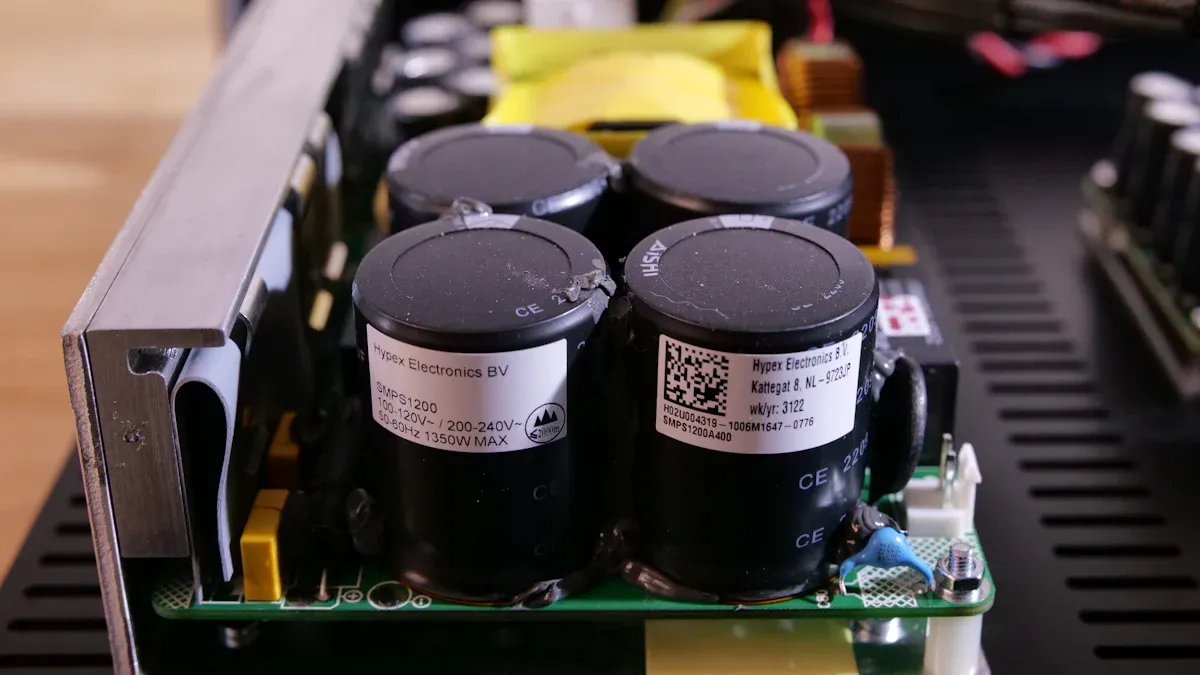
Power density measures how quickly a device can deliver its stored energy. This characteristic significantly differentiates a battery from a capacitor. It impacts their suitability for various applications.
Batteries: Lower Power Output
Batteries deliver power at a relatively lower rate. Their internal chemical reactions limit how quickly they can release stored energy. This means a battery provides a steady, continuous flow of power. For instance, a laptop battery powers the device for several hours. It does not deliver a sudden surge of power. This lower power output suits applications needing consistent energy over time. The battery’s design prioritizes sustained energy delivery over rapid bursts. This affects its overall performance in high-demand situations.
Capacitors: High Power Delivery
Capacitors excel at delivering high power. They release their stored energy almost instantly. This rapid discharge capability comes from their electrostatic storage mechanism. A capacitor can provide a massive surge of electrical power in a very short time. For example, a camera flash uses a capacitor to produce a bright burst of light. Car audio systems also use capacitors. They provide quick power to amplifiers for deep bass notes. This high power delivery makes a capacitor ideal for applications requiring quick, intense bursts of energy. The capacitor’s ability to dump energy quickly is a key advantage.
Voltage Characteristics: Stability & Drop
The way a device’s voltage behaves during discharge is a key difference between a battery and a capacitor. This characteristic affects how each device powers electronic circuits. Understanding this voltage behavior helps in choosing the right component for a specific task.
Battery Voltage Stability
A battery generally maintains a relatively stable voltage throughout most of its discharge cycle. This steady voltage output is a significant advantage for many electronic devices. For example, a lithium-ion battery shows a small voltage drop due to internal resistance during low-rate discharge. This means the voltage decline is less noticeable when the battery discharges slowly. The discharge characteristics curve for a lithium-ion battery illustrates this stability. It shows that the available capacity and voltage drop depend on the discharge rate and temperature. The lower limit voltage for this type of battery is typically 2.5 V. This stable voltage makes a battery suitable for applications needing consistent power.
Capacitor Voltage Behavior
A capacitor exhibits a very different voltage behavior during discharge. Its voltage decreases rapidly as it releases stored energy. When a capacitor discharges through a constant resistance, its voltage drops quickly from its initial charged state. This rapid decrease in voltage means a capacitor cannot provide a steady voltage for long periods. Instead, the voltage across the capacitor falls off quickly. This characteristic makes a capacitor less ideal for applications requiring a constant voltage supply. However, this rapid voltage change is useful for delivering quick bursts of power. The quick drop in voltage is a fundamental aspect of how a capacitor operates.
Lifespan & Cycle Count
Battery Lifespan and Degradation
A battery’s lifespan is finite. It degrades over time and with use. A complete charge cycle means using an amount equal to 100% of the battery’s capacity. This can happen over many partial charges. Battery health significantly degrades when it cannot maintain normal peak performance. This often correlates with a reduced original capacity. Significant capacity degradation occurs when a battery’s maximum capacity falls below 80% of its initial value. This greatly impacts the battery’s overall life and function. Lithium-ion batteries, for example, typically offer 2000–4000 life cycle discharges at 80% depth of discharge. Some advanced battery replacements can exceed 500 charges. This extends device usage and reduces electronic waste. A battery also experiences self-discharge. It loses about 10% of its stored energy per month, even when not in use. This aging process is a natural part of a battery’s life.
Capacitor Durability and Cycles
Capacitors generally boast a much longer lifespan than batteries. Their electrostatic storage mechanism means they do not rely on chemical reactions. This avoids the chemical aging that affects batteries. Miniature Aluminum Electrolytic Capacitors have a specified lifecycle of 5000 hours. This indicates their robust durability. Supercapacitors, a type of capacitor, also have a very long cycle life. They can endure hundreds of thousands of charge-discharge cycles without significant degradation. However, supercapacitors do have a higher self-discharge rate. They lose approximately 30% of their stored energy per month. This is higher than a battery. The key difference in aging for a capacitor is often related to the dielectric material or electrolyte drying out, not chemical reactions. This makes their aging process different from a battery.
Supercapacitors vs. Batteries: Bridging the Divide
Supercapacitors represent a unique class of energy storage devices. They bridge the gap between traditional capacitors and batteries. Supercapacitors combine some advantages of both technologies. They offer high power delivery like capacitors. They also store more energy than standard capacitors, though less than batteries. This makes supercapacitors ideal for specific roles in modern electronics. The distinction between supercapacitors vs. batteries is important for designers.
Supercapacitor Unique Characteristics
Supercapacitors possess several distinct features. They store electrical energy electrostatically, similar to a capacitor. However, supercapacitors use advanced materials and designs. These allow them to achieve much higher capacitance values. This results in greater energy storage than conventional capacitors. Supercapacitors can charge and discharge extremely quickly. This rapid power delivery is a key advantage. Supercapacitors also boast an exceptionally long cycle life. They can endure hundreds of thousands, even millions, of charge-discharge cycles. This far exceeds the lifespan of most batteries. Supercapacitors offer high power density. This means they can deliver a large amount of power in a short time. However, supercapacitors have a lower energy density compared to batteries. This limits their use for long-term energy storage. Supercapacitors also exhibit a higher self-discharge rate than batteries. They lose approximately 30% of their stored energy per month.
Supercapacitor Applications and Limitations
Supercapacitors find use in various specialized applications. Their ability to provide quick bursts of power makes them suitable for regenerative braking systems in electric vehicles. They capture and store energy during deceleration. Supercapacitors also stabilize power supplies. They smooth out voltage fluctuations in electronic circuits. Other applications include backup power for memory systems and starting heavy machinery. These applications benefit from the rapid energy discharge of supercapacitors. Despite their advantages, supercapacitors have limitations. Their lower energy density means they cannot power devices for extended periods like a battery. Therefore, supercapacitors often complement batteries rather than replace them. They provide peak power assistance while the battery handles sustained energy needs. Understanding these characteristics helps engineers choose the right energy storage solution for their applications.
Safety & Environmental Impact
Both batteries and capacitors present different safety and environmental considerations. Understanding these aspects helps in choosing the right energy storage solution.
Batteries: Material Concerns
Batteries often raise significant material and safety concerns. The disposal of common battery types, such as lead-acid car batteries, poses environmental risks. These batteries can leak harmful chemicals when they accumulate in landfills. Specifically, lead-acid batteries contain toxic lead. This necessitates responsible disposal to prevent environmental contamination. Lithium-ion battery technology also presents safety challenges. Thermal runaway is a significant safety concern in battery electric vehicles. This phenomenon occurs when the battery’s temperature rises, often due to overcharging or manufacturing defects. The elevated heat then triggers a chain reaction. This can lead to severe outcomes, including fire, explosions, and the expulsion of gases and particles. A battery often requires complex management systems and additional components to ensure safe operation and manage its stored energy.
Capacitors: Clean Energy Storage
Capacitors offer a much cleaner and safer energy storage option. Supercapacitors, for example, do not contain toxic metals. They provide clean energy storage without the severe safety concerns associated with a battery. A capacitor also requires no additional accessories or components for its basic function. This simplifies their integration into systems. Supercapacitors boast an environmentally friendly profile. They minimize environmental impact during manufacturing and disposal. This makes a capacitor a preferred choice for applications prioritizing safety and sustainability. The long lifespan of supercapacitors further reduces waste. This type of energy storage offers a reliable and eco-conscious alternative.
Typical Applications
Common Uses for Batteries
Batteries power many devices people use daily. They provide sustained energy for portable electronics. These applications demand a continuous and reliable power source. Common uses for batteries include:
-
Power banks, which recharge mobile devices on the go.
-
Solar generators, storing energy from the sun.
-
E-bikes, providing power for assisted cycling.
-
Power walls, offering home energy storage.
-
Flashlights, for portable illumination.
-
Electric vehicles, powering transportation.
-
Power tools, enabling cordless operation.
-
Drones, for flight and camera operation.
-
Wearable devices like smartwatches and fitness trackers, needing long-lasting power.
-
Bluetooth earbuds, for wireless audio.
-
Tablets, for portable computing.
-
GPS units, for navigation.
-
Handheld consoles, for gaming on the move.
-
E-readers, for digital books.
-
RC cars, planes, and quadcopters, for hobbyist fun.
-
Ultra-thin phones and folding devices, where compact power is crucial.
-
IoT products, requiring consistent, low-power operation.
-
High-end power banks, offering substantial charging capacity. A battery is essential for mobile phones, digital cameras, and laptops. Electric bikes, scooters, and hybrid cars also rely on battery power. These applications need a consistent energy source over time.
Common Uses for Capacitors
Capacitors serve different but equally vital roles in electronics. They excel at providing quick energy bursts or smoothing electrical signals. These applications benefit from rapid charge and discharge capabilities. Common uses for capacitors include:
-
Audio amplifiers, from hi-fi systems to mobile phones, where they filter noise and couple signals.
-
Power supply circuits, stabilizing voltage output.
-
Power supply filtering, smoothing out voltage ripple to ensure clean power.
-
Signal coupling and decoupling in circuits, isolating DC while passing AC signals.
-
Electronic control systems, for timing and filtering functions. A capacitor can store and release energy rapidly. This makes it useful for camera flashes, delivering a sudden burst of light. It also helps stabilize voltage in various circuits, preventing power fluctuations. The choice between a battery capacitor unit depends on the specific energy needs of the application.
Batteries provide sustained, high-energy needs through chemical reactions. Capacitors offer rapid, high-power delivery via electrostatic fields. This fundamental difference between capacitor and battery dictates their performance. The choice of a battery capacitor depends on specific application requirements for energy and power. Batteries store more energy for long duration. Capacitors deliver quick power bursts, providing immediate energy. Understanding the difference between capacitor and battery is crucial for effective electronic design. Often, engineers use them complementary to optimize energy and power management.
FAQ
❓ What is the main difference between a battery and a capacitor?
A battery stores energy chemically, releasing it slowly. A capacitor stores energy electrostatically on plates, discharging it very quickly. This fundamental difference affects their performance and typical uses.
💡 Can a capacitor replace a battery?
Generally, no. Capacitors have lower energy density than batteries. They cannot store enough energy for long-term power. However, super capacitors can complement batteries by providing rapid power bursts for specific applications.
🔋 Why do super capacitors have a longer lifespan than batteries?
Super capacitors store energy electrostatic ally, avoiding chemical reactions. Batteries degrade due to chemical changes over time and cycles. This difference allows super capacitors to endure many more charge-discharge cycles without significant degradation.
⚡ Which is safer, a battery or a capacitor?
Capacitors are generally safer. They do not contain toxic metals and avoid the thermal runaway risks associated with some batteries. Batteries often require complex management systems to ensure safe operation.
See Also
Unveiling FREESCALE MCF5251CVM140: Essential Automotive Features Explored In-Depth
Choosing MCUs For Medical Devices: STM32F401VCT6 Versus STR750FV2T6 Compared
Unlock Efficient Power Management With The LPQ252-CEF Solution
Coilcraft XPL2010: High-Performance Inductors For VRM/VRD Design Deep Dive
USB Controller Selection: CYUSB3014-BZXI Versus CYUSB3014-BZXC Practical Guide