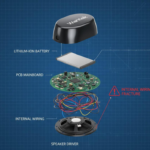
IoT devices demand low power consumption to extend battery life and ensure reliable operation. Flexible design allows these devices to adapt to various applications and environments. Bluetooth IoT solutions meet these requirements by using advanced technologies such as Bluetooth Low Energy, which significantly cuts power use while maintaining performance. The Bluetooth audio codec LC3 enhances sound quality at lower bitrates, optimizing battery efficiency. Features like multi-stream audio and Auracast™ support flexible design and seamless connectivity, improving user experience across industries.
|
Feature |
Benefit |
Impact on IoT Devices |
|---|---|---|
|
Bluetooth Low Energy |
Significantly reduces power consumption while maintaining high performance. |
Extends battery life for devices like earbuds. |
|
Bluetooth audio codec LC3 |
Enhances audio quality at lower bitrates, optimizing battery efficiency. |
Supports longer usage times for hearing aids. |
|
Multi-stream audio |
Enables flexible design and scalability for various applications. |
Improves user experience across industries. |
|
Auracast™ |
Facilitates seamless audio sharing across devices. |
Enhances connectivity in consumer electronics. |
These innovations form the foundation for low-power Bluetooth IoT solutions that deliver both efficiency and versatility.
Key Takeaways
-
Bluetooth Low Energy (BLE) technology significantly reduces power consumption, extending battery life for IoT devices like earbuds and hearing aids.
-
The LC3 codec enhances audio quality at lower bitrates, allowing devices to deliver clearer sound while using less energy.
-
Multi-stream audio and Auracast™ features improve design flexibility, enabling seamless audio sharing and better user experiences across various applications.
-
BLE Audio technology supports innovative use cases in consumer electronics, healthcare, and industrial settings, enhancing connectivity and performance.
-
Future trends in Bluetooth audio focus on AI integration, low-latency technologies, and sustainability, paving the way for smarter and more eco-friendly IoT devices.
BLE Audio Technology

Key Features of BLE Audio
Bluetooth Low Energy (BLE) Audio, introduced in Bluetooth 5.2, brings several innovative features that enhance audio experiences while maintaining low power consumption. Key features include:
-
Low Complexity Communication Codec (LC3): This new codec provides high-quality audio at lower bitrates. It allows devices to deliver clearer sound while using less energy.
-
Multi-Stream Audio: This feature enables multiple synchronized audio streams. Users can enjoy independent audio streams for each earbud, enhancing the listening experience.
-
Isochronous Channels: These channels support synchronized audio streams, which are crucial for applications requiring precise timing, such as gaming and video calls.
-
Audio Sharing: BLE Audio allows users to broadcast audio streams to multiple listeners. This capability enhances social interactions, making it easier to share music or podcasts with friends.
These features collectively improve the efficiency and flexibility of Bluetooth technology, making it ideal for various IoT applications.
The Role of LC3 Codec
The LC3 codec plays a pivotal role in the performance of BLE Audio. It significantly enhances audio quality while reducing power consumption. Here are some of the benefits of using LC3:
-
Superior Audio Quality: LC3 provides better audio quality than previous codecs, such as SBC, even at lower bitrates. This improvement is particularly beneficial for speech and hearing aid applications.
-
Lower Latency: The codec achieves ultra-low latency, with transmission times as low as 3 ms. This feature is essential for real-time applications like gaming and video conferencing.
-
Energy Efficiency: LC3 allows devices to remain in sleep mode most of the time, waking only when necessary. This design minimizes power usage, extending battery life for devices like earbuds and hearing aids.
-
Adaptability: The codec supports adjustable bitrates, making it suitable for various device types and audio needs. It can maintain high quality even in congested environments, reducing dropouts and ensuring stable connections.
Advantages of Bluetooth IoT Solutions
Power Efficiency Comparison
Bluetooth IoT solutions, particularly those utilizing BLE Audio, demonstrate remarkable power efficiency compared to classic Bluetooth technology. BLE was designed for duty-cycled operation, allowing devices to remain in an ultra-low-power idle state most of the time. This design enables BLE devices to wake up only for brief data transmissions or to listen for connection events. As a result, BLE technology significantly reduces power consumption.
|
Technology |
Peak Consumption |
Average Consumption |
Battery Life |
|---|---|---|---|
|
Bluetooth Low Energy |
15 mA |
1 µA |
5-10 years on coin cell |
|
Classic Bluetooth |
Higher |
Higher |
Shorter battery life |
Devices using BLE Audio can achieve multi-month to multi-year battery life on small batteries. In contrast, classic Bluetooth devices typically provide only a few hours of playtime per charge. This efficiency makes BLE Audio particularly suitable for applications requiring long battery life, such as wireless earbuds and hearing aids.
Design Flexibility Benefits
BLE Audio introduces several features that enhance design flexibility for IoT devices. The incorporation of Isochronous Channels allows synchronized audio streaming to multiple devices simultaneously. This capability supports innovative use cases, such as music sharing between devices and enhanced hearing aid systems. Developers can leverage these features to create new form factors and applications within the IoT ecosystem.
The multi-stream audio feature enables devices to deliver high-quality audio to multiple listeners without compromising performance. This flexibility enhances user experiences in various settings, from personal audio devices to industrial applications requiring precise time-synchronized data transmission. Furthermore, BLE Audio’s support for audio sharing fosters social interactions, allowing users to enjoy content together seamlessly.
Bluetooth technology continues to evolve, with improvements in connectivity and audio quality. The introduction of the LC3 codec enhances audio experiences by providing high-fidelity audio transmission while significantly reducing power consumption. This advancement ensures that BLE Audio remains competitive and relevant in the rapidly changing landscape of IoT devices.
Real-World Applications of BLE Audio
Consumer Electronics Innovations
BLE Audio technology has transformed consumer electronics by enhancing audio quality and connectivity. Many products have adopted this technology, leading to significant improvements. For instance, headsets now offer enhanced audio quality, energy efficiency, and better connectivity. Hearing aids benefit from improved energy efficiency through lower bitrates and better scheduling capabilities.
Some notable case studies include:
-
Xiaomi leverages continuous Bluetooth LE Audio innovation to explore new audio use cases.
-
The WYO Theater implemented Auracast technology to enhance assistive listening options.
-
Everyman Theatre adopted Auri™ to provide an inclusive assistive listening solution.
-
University of the Arts London integrated Auri™ to foster more inclusive learning environments.
These examples illustrate how BLE Audio enhances user experiences in consumer electronics.
Healthcare Device Enhancements
In healthcare, BLE Audio significantly improves device performance and patient outcomes. It enhances hearing aids by providing ultra-low latency, which improves real-time audio transmission. This technology reduces power consumption, allowing hearing aids to operate longer without frequent battery changes. Additionally, BLE Audio improves audio quality, leading to better sound comprehension for users, particularly those with hearing impairments. According to the World Health Organization, half a billion people need audio accessibility, with projections of 2.5 billion experiencing some degree of hearing loss by 2050.
Examples of BLE Audio integration in healthcare include:
-
A connected glucose monitor that syncs via BLE to a mobile app, allowing automatic sharing of results with a doctor’s portal.
-
A BLE-enabled wearable device developed for early diagnosis of voice disorders, supporting high-frequency data acquisition and real-time transmission.
Industrial IoT Solutions
BLE Audio also finds applications in industrial IoT solutions. Industries utilize this technology for equipment condition monitoring and worker safety tracking. The ability to support multi-stream audio allows for efficient communication in noisy environments. BLE Audio’s low power consumption makes it suitable for devices that require long battery life, ensuring reliable operation in various industrial settings.
BLE Audio technology continues to shape the future of consumer electronics, healthcare, and industrial applications, providing high-quality audio and enhancing user experiences across these sectors.
Bluetooth audio solutions have transformed IoT device development. They enhance efficiency and flexibility through low power consumption and innovative designs. The introduction of Bluetooth 6.0 brings features like intelligent filtering and improved handling of time-sensitive data. These advancements lead to more responsive devices for applications such as health monitoring and home security.
Future trends indicate a strong focus on AI integration, low-latency technologies, and sustainability. The table below summarizes these trends:
|
Trend |
Description |
|---|---|
|
AI Integration |
Enhances audio personalization and user experience. |
|
Low-Latency Technologies |
Improves synchronization for gaming and media. |
|
Sustainability |
Focus on eco-friendly materials and processes. |
|
Enhanced Connectivity |
Demand for seamless multi-device pairing. |
As Bluetooth audio technology continues to evolve, it will shape the future of IoT devices, creating new opportunities for innovation.
FAQ
What is BLE Audio?
BLE Audio refers to Bluetooth Low Energy Audio technology, introduced in Bluetooth 5.2. It enhances audio quality while minimizing power consumption, making it ideal for IoT devices.
How does LC3 codec improve audio quality?
The LC3 codec provides superior audio quality at lower bitrates. It reduces latency and enhances energy efficiency, allowing devices to operate longer on a single charge.
What are the benefits of using BLE Audio in healthcare?
BLE Audio improves hearing aids by offering low-latency audio transmission and better sound quality. This technology enhances user experience and extends battery life, crucial for patient care.
Can BLE Audio be used in industrial applications?
Yes, BLE Audio is suitable for industrial IoT solutions. Its low power consumption and multi-stream capabilities enable efficient communication in noisy environments, enhancing worker safety and equipment monitoring.
How does BLE Audio support device connectivity?
BLE Audio supports seamless connectivity through features like audio sharing and multi-stream audio. These capabilities allow multiple devices to connect and share audio, improving user experiences.
See Also
AD9736BBCZ: Pioneering Innovations in Wireless Connectivity
R5F64219JFB Microcontroller: Essential Role in Audio Design
Using STM32F103C8T6 for Bluetooth Robotics Control
Explore LPQ252-CEF: Enhancing Power Management Efficiency
NXP Microcontrollers: Key Power Players in Automotive Tech