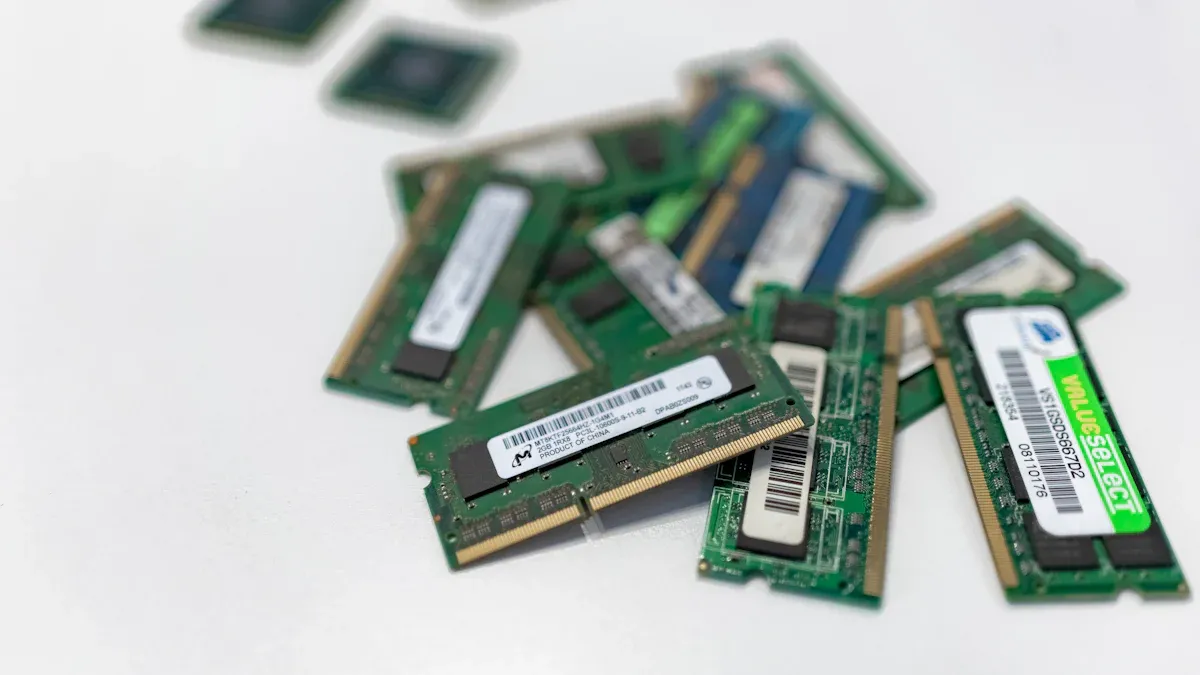
Keysight has introduced a new test tool for LPDDR6 memory systems. It works with the future JEDEC LPDDR6 standard. This tool helps improve speed, save power, and test reliability in LPDDR6 memory systems. Engineers can use it to reduce noise and get better signals. Keysight’s tools also assist with advanced memory systems for AI tasks. These updates make it easier for engineers to solve LPDDR6 memory systems problems. They ensure devices work well and are very reliable.
Key Takeaways
-
Keysight’s LPDDR6 tools help make memory systems faster and reliable.
-
The M8040A BERT Station tests speeds up to 64 GBaud. It helps engineers get quick and correct results.
-
Automated testing makes designing easier. Engineers can find and fix problems fast in LPDDR6 systems.
-
Working with JEDEC ensures Keysight’s tools follow the newest rules. This makes them ready for future memory needs.
-
LPDDR6 technology works for AI, data centers, and smart devices. It gives high speed and uses less power.
Overview of Keysight’s LPDDR6 Memory Systems Solution
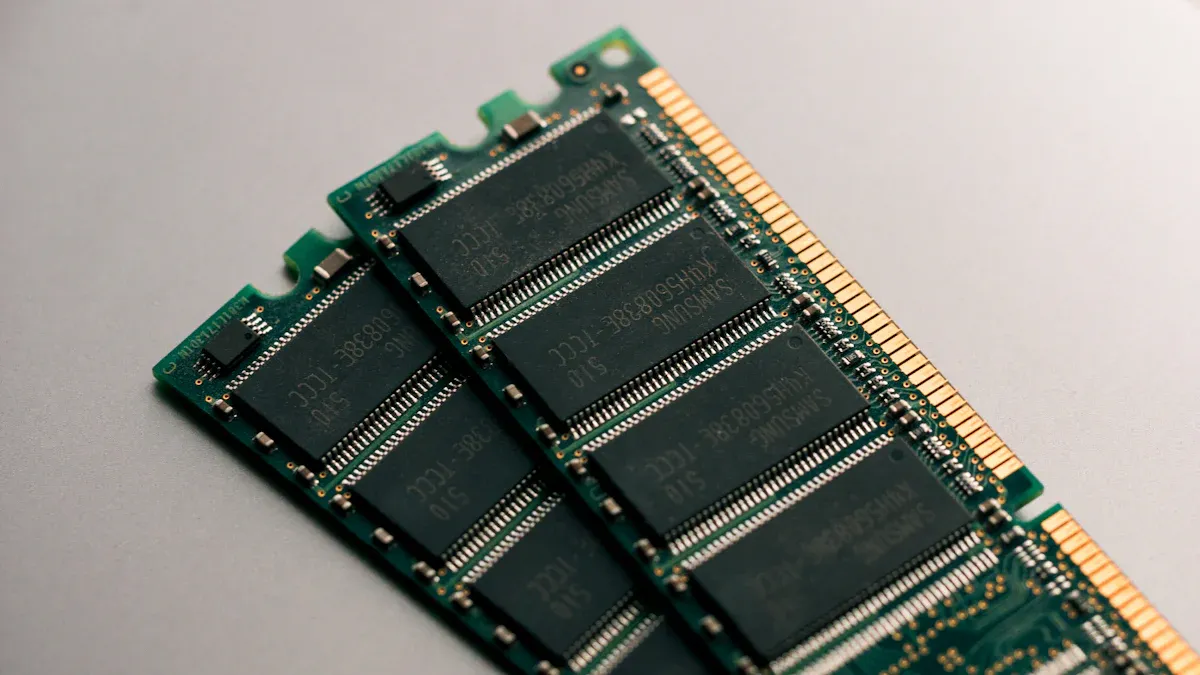
Keysight provides tools to design and test LPDDR6 memory systems. These tools solve problems in new memory systems. They help devices work better and stay reliable. Engineers trust Keysight because they are experts in memory design and testing.
Key Components of the Solution
Keysight’s LPDDR6 tools include many advanced features for testing. Important parts of the solution are:
-
M8040A BERT Station: Makes clean signals up to 64 GBaud.
-
UXR Oscilloscope: A tool for checking signals with great accuracy.
-
Advanced Design System (ADS): Helps engineers design memory systems easily.
-
De-embedding Capabilities: Lets engineers measure directly from small parts.
-
Jitter Injection: Adds controlled signal errors for better testing.
These tools work together to make LPDDR6 memory systems fast and reliable.
End-to-End Design and Testing Workflow
Keysight’s tools cover every step of designing and testing LPDDR6 memory systems. They make the process easier and faster. Engineers can see the steps clearly using diagrams. The tools follow JEDEC rules, so they work with future LPDDR6 devices. This workflow helps engineers save time and improve device performance.
Signal Integrity and BER Analysis
Good signal quality is very important for LPDDR6 memory systems. Keysight’s tools reduce noise to keep signals clear. Automated tests check if devices meet standards quickly. The system also uses Bit Error Ratio (BER) analysis to find problems. Engineers can fix issues fast and make sure new memory systems work well.
Advanced Features of the M8040A BERT
High-Speed Testing and Data Rates
The M8040A BERT is great for testing LPDDR6 memory. It works with data rates from 2 to 64 GBaud. This helps engineers test devices faster and more reliably. The system has tools to make signals clear and accurate, even at high speeds.
It also supports PCI Express link training at 8, 16, 32, and 64 GT/s. This feature saves time by making testing quicker and more precise. Below is a table showing important features of this tool:
|
Feature Description |
Metric |
|---|---|
|
Signal Data Rates |
Up to 64 GBaud |
|
Real-time PAM4 True Error Detection |
Up to 58 GBaud |
|
Jitter Injection Types |
RJ, PJ1, PJ2, SJ, BUJ, clk/2 |
|
Pattern Generator Channels |
Two per module |
|
Link Training and Filtering |
For 8/16/32/64 GT/s PCI Express |
Real-Time Error Detection and Jitter Injection
The M8040A BERT finds errors in real-time. This helps engineers fix problems quickly. Its PAM4 error detection works at speeds up to 58 GBaud. This makes it very accurate for testing. The system also adds different types of jitter, like random jitter (RJ) and sinusoidal jitter (SJ). These features let engineers test how devices handle real-world conditions.
With these tools, the M8040A BERT improves device performance. Engineers can create better memory systems for modern needs.
Supported Data Formats and Versatility
The M8040A BERT works with many data formats. It follows the JEDEC LPDDR6 memory standard. This makes it easy to test for speed, power, and reliability. It also connects to different interfaces for flexible testing.
This tool is important for building LPDDR6 memory systems. It helps engineers solve problems while keeping devices fast and reliable.
Alignment with JEDEC LPDDR6 Standards
Keysight works hard to match its tools with JEDEC LPDDR6 rules. This helps engineers design and test memory systems easily. They can trust that their systems meet the latest standards. By teaming up with JEDEC, Keysight helps create the LPDDR6 standard. This new standard brings faster speeds, better efficiency, and stronger reliability for future memory systems.
Expected Specifications of LPDDR6
LPDDR6 is a big improvement over older versions. It focuses on speed and saving energy. Here are some key details:
|
Feature |
Range or Value |
|---|---|
|
Data Speed |
10.667 to 14.400 Gbps |
|
Bandwidth |
28.8 to 32 GBps (up to 38.4 GBps) |
|
Burst Length |
24 bits |
|
Data Bus Width |
Wider than LPDDR5 |
|
Channel Design |
New channel and sub-channel setup |
These updates make LPDDR6 great for tasks like AI and fast computing. The new channel design and wider data bus allow more data to move quickly. Lower power use also makes it better for mobile devices.
Collaboration with JEDEC
Keysight works closely with JEDEC to build the LPDDR6 standard. This teamwork ensures Keysight’s tools fit the new LPDDR6 needs. By helping set the rules, Keysight shapes the future of low-power memory. Engineers get tools that match the final standard. This saves time and makes systems more reliable.
Industry Benefits and Future-Proofing
Using LPDDR6 tools brings many benefits to different industries:
-
High speed and low power use make it great for AI and data centers.
-
Faster systems improve user experiences with quicker responses.
-
Lower power use means longer battery life and lower energy costs.
-
Better data quality ensures stable and reliable performance.
|
LPDDR6 Benefits |
Details |
|---|---|
|
High Speed and Efficiency |
Perfect for AI, cars, and data centers. |
|
Faster User Experience |
Higher speeds improve system performance. |
|
Lower Power Use |
Saves energy in devices and data centers. |
|
Better Data Stability |
Keeps systems reliable and steady. |
Keysight’s tools speed up testing and improve device performance. They also ensure devices work well with others, making them ready for the future.
Uses of LPDDR6 Beyond Phones
AI and Machine Learning Systems
LPDDR6 memory helps improve AI and machine learning tools. It works at speeds of 10.667 to 14.400 Gbps. Its bandwidth can go up to 38.4 GBps. This makes it fast and saves energy for tough tasks. The 24-bit burst length moves data quickly. This helps process hard algorithms faster.
Keysight’s tools make sure LPDDR6 meets AI system needs. They test for speed, efficiency, and reliability. This makes LPDDR6 great for AI tasks like self-driving cars and live data analysis.
Data Centers and Fast Computers
Data centers and supercomputers gain a lot from LPDDR6. It moves data fast and uses less power. This fits the needs of these industries well. Its new channel design and testing tools speed up production.
Keysight’s tools improve performance with Bit Error Ratio tests. These tests ensure LPDDR6 works reliably in data-heavy jobs. With faster speeds, LPDDR6 makes future computers better for users.
|
Key Benefits |
What It Does |
|---|---|
|
Faster Production |
Automated tests save time during validation. |
|
Better Device Performance |
Receiver tests ensure devices work well. |
|
Next-Gen Memory |
High speeds and low power improve data center work. |
Power-Saving and New Uses
LPDDR6 is also useful for cars and defense systems. It works well in places where saving power is important. Its design gives high performance while using less energy.
Keysight’s tools check LPDDR6 for these uses. They help bring products to market faster and ensure strong performance. LPDDR6 combines speed, efficiency, and reliability for new tech like edge computing and smart gadgets.
Keysight offers tools to design and test LPDDR6 memory systems. These tools check transmitters and receivers for better signal quality. Automated tests help finish projects faster. Receiver tests improve speed and save energy. These features make the tools great for fast and efficient devices. Keysight follows JEDEC rules to ensure compatibility and reliability. Engineers can trust these tools to handle modern memory system needs.
What is LPDDR6, and why does it matter?
LPDDR6 means Low Power Double Data Rate 6. It’s a new memory technology. It moves data fast and uses less power. This helps make devices like phones, AI tools, and data centers work better.
How does Keysight match JEDEC standards?
Keysight works closely with JEDEC to follow its rules. This teamwork helps engineers build memory systems that meet industry needs. It also ensures products are reliable and ready for the future.
Why is the M8040A BERT special for LPDDR6 testing?
The M8040A BERT tests data speeds up to 64 GBaud. It finds errors as they happen and adds signal problems for testing. These features make it a strong tool for LPDDR6 testing.
Can LPDDR6 work in other devices besides phones?
Yes, LPDDR6 is very flexible. It’s great for AI, data centers, and cars. Its speed and low power use also fit new tech like smart gadgets and edge computing.
How do Keysight’s tools help engineers?
Keysight’s tools handle every step of LPDDR6 design and testing. They automate tasks like checking signals and finding errors. This saves time and helps engineers fix problems faster, speeding up product creation.
See Also
Unveiling The Essential Automotive Features Of FREESCALE MCF5251CVM140
Understanding The MC9S12DJ256MFUE Specs For Automotive Use
Complete Overview Of AD1940YSTZ And AD1941YST Automotive DSPs
Key Specifications Of The MC9S12XEQ512CAL Uncovered
Simple Networking Insights For The XILINX XC7K325T-2FFG676C