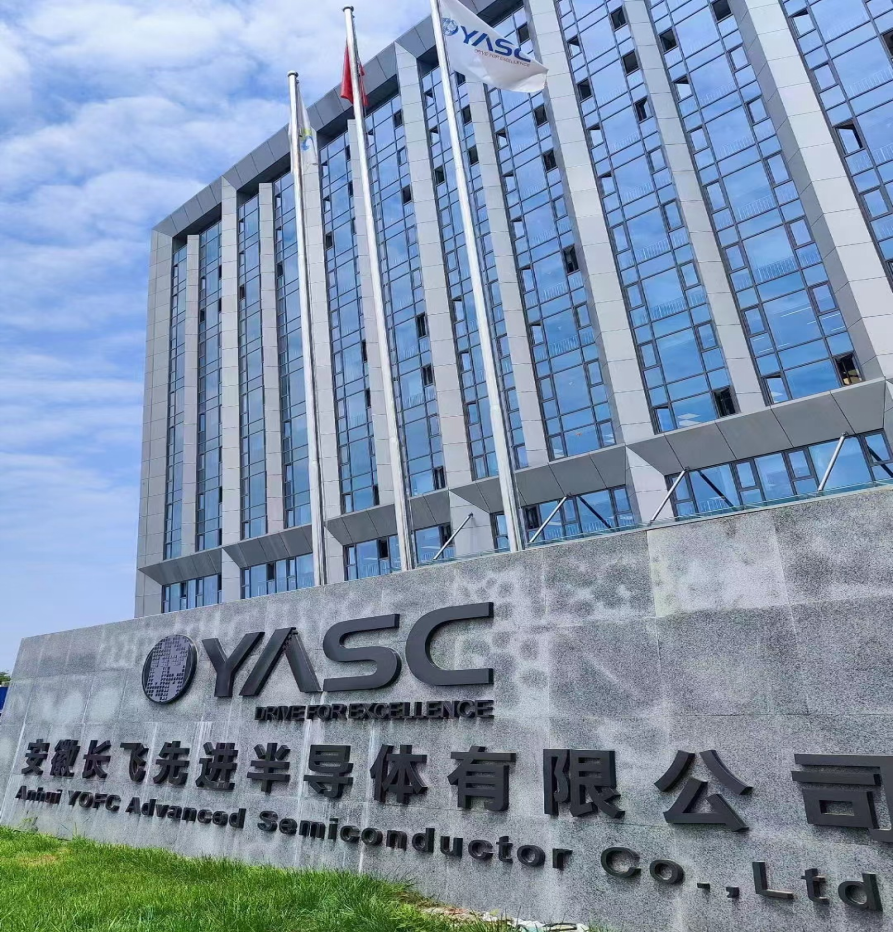
The recent launches of silicon carbide chip factories mark a pivotal moment in the semiconductor industry. These factories enhance production capabilities and signify China’s growing influence in the global market. Currently, China’s power semiconductor industry holds approximately 30% of the global market for legacy chips. This dominance affects various sectors, including vehicles and consumer electronics. Furthermore, Chinese firms, such as those utilizing YOFC Advanced technologies, are driving down global chip prices, which poses challenges for non-Chinese vendors. As China Dominates Next-Gen Power Semiconductors, the landscape of semiconductor technology continues to evolve rapidly.
Key Takeaways
-
China’s semiconductor industry is rapidly growing, holding about 30% of the global market for legacy chips.
-
Silicon carbide chips offer significant advantages, including up to 50% energy savings, making them essential for electric vehicles and renewable energy.
-
Investments in silicon carbide technology are expected to drive market growth, with projections reaching $5 billion by 2025.
-
Local companies in China, like YOFC Advanced, are innovating in silicon carbide technology, positioning themselves as future leaders in the market.
-
The competitive landscape is evolving, with Chinese firms facing challenges but showing promise in enhancing production capabilities.
Global Semiconductor Overview
The global semiconductor industry plays a crucial role in modern technology. It supports various sectors, including telecommunications, automotive, and consumer electronics. As of 2023, the semiconductor market is valued at over $500 billion, with projections indicating continued growth. This growth stems from increasing demand for advanced technologies, such as artificial intelligence and the Internet of Things (IoT).
Silicon Carbide’s Importance
Silicon carbide (SiC) has emerged as a game-changer in power electronics. Its unique properties make it ideal for high-performance applications. Compared to traditional silicon chips, silicon carbide chips offer significant advantages:
-
Energy Efficiency: Silicon carbide chips can achieve energy savings of up to 50% during the conversion of DC voltage to AC. This efficiency is vital for applications like electric vehicles and solar panels.
-
Enhanced Performance: SiC chips enable more efficient electricity use, which is crucial for renewable energy systems. They excel in converting energy, making them essential for modern power applications.
-
Durability: Silicon carbide withstands higher temperatures and voltages than silicon, making it suitable for demanding environments.
The investment in silicon carbide technology aims to enhance energy efficiency in electric vehicles and renewable energy sources. As industries shift towards greener technologies, the demand for silicon carbide chips will likely increase.
Market Growth Projections
Market analysts predict robust growth for the silicon carbide sector. The global SiC market is expected to reach $5 billion by 2025, driven by rising adoption in electric vehicles and renewable energy applications. The transition from silicon wafers to silicon carbide chips reflects the industry’s need for more efficient electricity usage. As companies invest in this technology, they position themselves to meet the growing demand for sustainable energy solutions.
China’s Semiconductor Investments

China’s government has made significant investments in semiconductor technology, particularly since 2018. These investments aim to bolster domestic production and reduce reliance on foreign technology. The Chinese government has invested hundreds of billions of dollars into semiconductor technology since 2018. This investment primarily responds to U.S. restrictions, with the goal of achieving self-reliance in chip production.
Key policies have driven this growth:
-
Financial Investment: The Chinese government has invested hundreds of billions of dollars to enhance domestic production.
-
Subsidies: Huge subsidies and tax breaks have been granted to support local semiconductor companies.
-
Self-Reliance Push: The context of U.S. export restrictions has driven China to focus on self-sufficiency in semiconductors.
These strategic moves have positioned China as a formidable player in the global semiconductor market.
YOFC Advanced Developments
The advancements in silicon carbide technology have been remarkable. Companies like YOFC Advanced lead the charge in developing innovative solutions. Their focus on silicon carbide has resulted in improved performance and efficiency in power electronics. YOFC Advanced has made strides in producing high-quality silicon carbide wafers, which are essential for various applications, including electric vehicles and renewable energy systems.
The demand for silicon carbide technology continues to rise. As industries transition to greener technologies, the need for efficient power solutions becomes critical. YOFC Advanced is at the forefront of this transition, contributing to the overall growth of China’s semiconductor industry.
Key Players in China
Several key players in China’s silicon carbide industry are making significant contributions to the market. Their annual revenues reflect the growing demand for silicon carbide technologies:
-
SMIC: Reported $9.3 billion in record revenues last year.
-
HuaHong: Operating at 106% capacity due to high demand.
-
Onsemi: Achieved global sales of $8.3 billion, with expected sales from silicon carbide technologies in 2023 reaching $1 billion.
These companies are not only enhancing their production capabilities but also pushing the boundaries of silicon carbide technology. Their efforts contribute to China’s ambition to dominate the global semiconductor landscape.
Competitive Landscape
The competitive landscape of the silicon carbide market reveals a dynamic interplay between established foreign firms and emerging local players. This competition shapes the future of the semiconductor industry, particularly in China.
Foreign Dominance
Several international companies dominate the global silicon carbide market. These firms have established themselves through significant investments and advanced technologies. Below is a summary of a key player in this sector:
|
Company |
Role in Market |
Investment Details |
Employees |
Annual Production |
|---|---|---|---|---|
|
onsemi |
$2 billion investment to expand plant in Roznov pod Radhostem |
1,600 |
3 billion chips, 3 million wafers |
Onsemi’s substantial investment highlights its commitment to expanding production capabilities. This expansion allows them to meet the growing demand for silicon carbide chips, especially in electric vehicles and renewable energy applications.
Local Progress
Chinese manufacturers face several challenges as they strive to compete with established foreign firms. Key obstacles include:
-
Technological limitations hinder innovation, as noted by Tim Rühlig, who describes these constraints as a ‘brick wall.’
-
A reliance on foreign technology restricts their ability to develop independent solutions.
-
U.S. sanctions complicate access to advanced chipsets, which are essential for effective competition.
-
Ryu Yongwook emphasizes that China’s current level of chip self-sufficiency remains inadequate, revealing a significant gap in research, design, and innovation capabilities compared to U.S. and Taiwanese firms.
Despite these challenges, local companies like YOFC Advanced are making strides in silicon carbide technology. Their focus on innovation and efficiency positions them as potential leaders in the market. As they continue to develop their capabilities, they may gradually close the gap with foreign competitors.
Future of Silicon Carbide
YOFC Advanced Trends
The trends in silicon carbide technology indicate a significant shift in the semiconductor landscape. Companies like Onsemi aim to become the leading producers of silicon carbide in Europe, targeting a 40% market share. Investments are increasingly moving from traditional silicon wafers to silicon carbide-based chips. This transition enhances production capabilities and improves efficiency. Silicon carbide chips are crucial for electromobility and energy conversion, especially in applications like electric vehicles and solar panels. Additionally, the technology is being explored for artificial intelligence applications, which require substantial energy.
YOFC Advanced, through its parent company Onsemi, is at the forefront of these advancements. The company is transitioning from traditional silicon wafers to silicon carbide-based chips. This shift is driven by the superior efficiency of silicon carbide in energy conversion, particularly in electric vehicles and solar panels. YOFC Advanced has made significant investments to scale up production and develop next-generation components.
Market Predictions
Market predictions for silicon carbide adoption in electric vehicles by 2030 are promising. The following table summarizes the expected efficiency improvements and market growth:
|
Component Type |
Efficiency Improvement |
Market Growth Prediction |
|---|---|---|
|
Silicon Carbide (SiC) |
Up to 60% |
Expected to grow significantly in EVs |
|
Gallium Nitride (GaN) |
Up to 60% |
Expected to grow significantly in EVs |
China’s semiconductor industry is also expected to evolve significantly by 2030. The country has achieved a 30% share of the global market for legacy chips. Significant investments in domestic semiconductor production, amounting to hundreds of billions of dollars, aim to create industry champions. Chinese firms are producing legacy chips at a massive scale, which is likely to lower global chip prices and increase competition.
As the demand for silicon carbide technology continues to rise, the future looks bright for both YOFC Advanced and the broader semiconductor industry in China.
The recent developments in silicon carbide chip production highlight a transformative period for the semiconductor industry. Key points include:
-
China’s Growing Influence: China’s investments in semiconductor technology position it as a major player in the global market.
-
Silicon Carbide’s Advantages: The unique properties of silicon carbide chips enhance energy efficiency and performance in various applications.
-
Competitive Landscape: Local firms face challenges but show promise in innovation and production capabilities.
As the industry evolves, the future looks bright for both silicon carbide technology and China’s semiconductor ambitions. 🌟
FAQ
What is silicon carbide (SiC)?
Silicon carbide is a semiconductor material known for its high efficiency and durability. It performs well in high-temperature and high-voltage applications, making it ideal for power electronics.
Why is SiC important for electric vehicles?
SiC enhances energy efficiency in electric vehicles by reducing energy loss during power conversion. This efficiency leads to longer battery life and improved vehicle performance.
How does China’s investment in semiconductors affect the global market?
China’s substantial investments in semiconductor technology aim to boost domestic production. This strategy increases competition and may lower global chip prices, impacting international vendors.
Who are the key players in China’s silicon carbide industry?
Key players include SMIC, HuaHong, and Onsemi. These companies are making significant advancements in silicon carbide technology and expanding their production capabilities.
What are the future trends for silicon carbide technology?
Future trends indicate a shift towards silicon carbide in electric vehicles and renewable energy applications. Increased adoption is expected due to its superior efficiency and performance.
See Also
Exploring Excellence in Electronic Components: Innovation and Trends Ahead
NXP Microcontrollers: Essential Chip Power for Automotive Innovations
EP2C50F484I8N FPGA: Bridging Theory and Practice in Embedded Systems
MC9S12XEQ512CAL: Comprehensive Applications in Automotive and Industrial Control
Exploring SPC5605BMLL6 and SPC5607BMLL6 ECUs: Future Automotive Technologies